Unusually strong ocean swells—the worst in decades—have been affecting ocean shipments of produce out of Costa Rica's Port of Caldera, though more recently they have started to clear, mostly coming to a stop. "With the exception of the days following the earthquake in the Russian Far East, which affected the entire Pacific Ocean," says Raul Saca, SVP of Global Logistics for Fresh Del Monte.
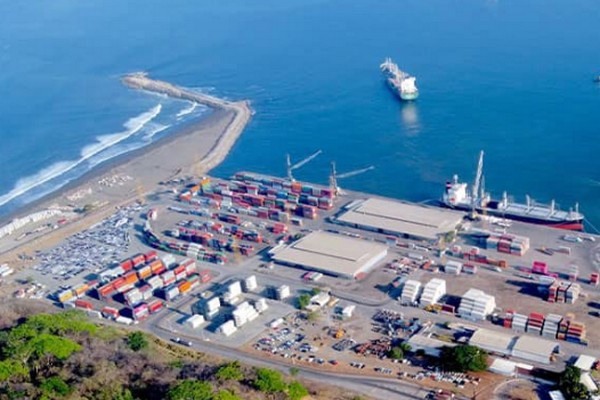 © Port of Caldera
With the unusually strong swells still present, when that happens, the port authority orders all operations to stop and vessels to go outside the port. "These delays are creating port congestion with severely limited vessel access. This has led to port closures surpassing five days, resulting in schedule disruptions and delays," says Saca. "This is the first time we are dealing with persistent and extended periods of high swell in the area affecting our ship operations."
The swells have been challenging shipping on and off since February. Historically, swells would occur twice a year, around February and March. This year it started at the same time, though more severe swells emerged, and to date, shippers are still dealing with the issue. "Every year we see more and more extreme weather events around the globe, and this is no exception," says Saca, adding that this year, there have been about 10 disruptions due to high swells.
In addition to this, while vessels have only gotten bigger to accommodate more cargo being moved, the ports and the capability to handle the additional volume have not grown.
Multiple items impacted
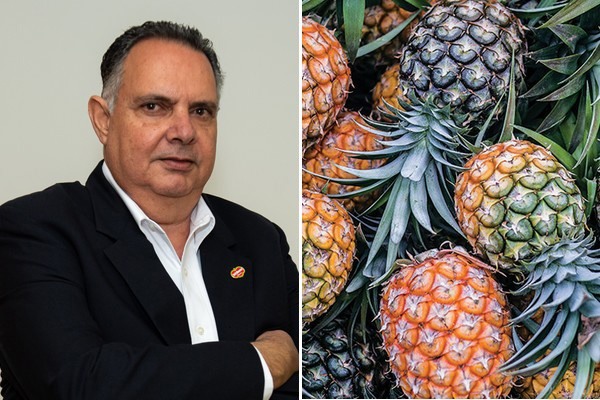
In terms of produce items affected, bananas and pineapples are among the tropical fruits most impacted by these disruptions, given that they are exported in the largest quantities out of this port. However, other items such as ginger, dragon fruit, and coffee are also impacted.
 © Fresh Del Monte.
To deal with the issue, Fresh Del Monte is working closely with other shipping lines to minimize the delays and employing tactics such as swapping slots. "For example, if both lines are going to the same destination, we load the cargo in Caldera for our customers and theirs, and they load our cargo and theirs in Quetzal. This type of slot exchange and cooperation allows for one less vessel in each port, easing congestion once the ports become operational," says Saca.
However, this is only a temporary solution for a key port for Fresh Del Monte, given the volume of pineapple shipments in moves. "The Port Authority has come out with a tender for a concession of the port that establishes an expansion and modernization of the port that will build new berths protected from the swells and will have more capacity," comments Saca. "That will solve the problems, but I estimate that it will take at least two to three years."
 For more information:
Fresh Del Monte
[email protected]
www.freshdelmonte.com