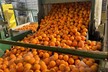
The proposed 50% import tax on Brazilian products by President Donald Trump could impact the pricing and supply chain of orange juice in Florida. As Brazil is the dominant exporter of orange juice globally, any trade conflict might affect the U.S. market, particularly Florida, where the exchange between the two regions is critical for various industries.
Brazil ranks as Florida's primary international partner for imports such as fruit and vegetable juice, ranking just behind other critical imports like aircraft equipment and chemical wood pulp. Data from SelectFlorida highlights that Brazil contributed $339 million in juice imports to Florida, part of the overall $5.3 billion in Brazilian products entering the state's ports.
Agricultural economists like Professor Malek Hammami of the University of Florida indicate that initial tariffs might increase demand for Florida-grown fruit, raising grower prices. Yet, with tariffs in place, the juicing industry could face challenges due to decreased profitability because growers wouldn't be able to supplement local production with Brazilian and Mexican concentrates.
As local groves have been affected by hurricanes and citrus greening disease, reliance on imported concentrates has become crucial to sustain the industry. According to Hammami, "without the tariffs, it's already started happening," indicating that the supply chain's stress isn't merely a future occurrence but an ongoing challenge.
Orange production in Florida saw a decrease of 92% since the 2003-2004 harvest due to various factors, including acreage reduction, storms, and disease. Even before tariffs, the state had committed $140 million to support affected growers.
Brazil's relationship with Florida extends beyond the orange sector, closely entwining with the aviation industry. Aircraft equipment is another major import, essential to the state's substantial aerospace sector. With Florida housing significant players in global aerospace, any changes in trade practices could ripple across the industry.
Sources cite that tariffs could drive Brazilian businesses toward establishing operations in the U.S. However, it remains to be seen how these shifts may develop. Industry figures, including those within the Business Development Board of Palm Beach County and the Brazilian-American Chamber of Commerce of Florida, closely monitor these developments.
Source: Palm Beach Post