South Africa's citrus industry is under renewed pressure following the announcement by U.S. President Donald Trump of a 30% tariff on citrus imports from the country, effective August 1. The decision, part of a broader escalation targeting 14 countries, threatens one of South Africa's most vital agricultural export sectors.
President Cyril Ramaphosa responded by calling the move a result of a "contested interpretation" of the trade balance between the two nations. He stated that South Africa will continue diplomatic efforts to secure a fair and mutually beneficial trade agreement with the U.S. Negotiations have been ongoing since May, when Ramaphosa visited the White House, but a final deal has yet to be reached.
South Africa maintains that the average tariff it imposes on U.S. imports is just 7.6%, with 77% of American goods entering the country duty-free. Ramaphosa welcomed Trump's indication that the tariff could still be adjusted depending on the outcome of talks and encouraged South African exporters to diversify and reduce their reliance on U.S. trade.
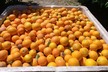
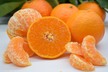
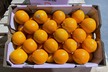
The 30% tariff is expected to severely impact the citrus sector, particularly exports of oranges and lemons, which have become increasingly popular in the U.S. market. According to the Citrus Growers Association (CGA), the U.S. accounts for around 8% of South Africa's citrus exports. The CGA estimates the tariff could put up to 35,000 jobs at risk, particularly in rural communities reliant on citrus farming.
Citrus is South Africa's largest agricultural export industry, generating R34 billion in foreign revenue annually. The U.S. has traditionally played a key role in absorbing specific varieties such as navels and lemons from the Eastern and Western Cape. Exporters may now be forced to redirect shipments to alternative markets or accept lower margins.
Agriculture Minister John Steenhuisen acknowledged the challenge of finding new markets quickly, noting that the U.S. delegation had requested more ambitious trade proposals from South Africa. Industry groups representing farmers and wine exporters are now exploring pricing adjustments and logistical shifts to offset losses.
South Africa is the world's second-largest citrus exporter after Spain, with its top markets including the EU, China, and the Middle East. Exporters warn that oversupply in alternative destinations could drive prices down if the U.S. market becomes unviable.
Auto exports, previously protected under the African Growth and Opportunity Act (AGOA), have also been affected by earlier tariffs. Exports of South African-assembled vehicles fell by over 12% year-on-year in June, with companies like Mercedes-Benz reducing production in response.
Despite the setbacks, South Africa remains committed to ongoing negotiations and seeks a resolution that will protect jobs and maintain its trade position.
Source 1: ENCA
Source 2: Cape {town} etc
Source 3: Reuters