Despite climatic, logistical, and financial challenges, pineapple production in northern Costa Rica remains stable and in high demand in the international market. So says Alfredo Volio, president and CEO of Upala Agrícola, one of the country's main exporters.
"This year there has been a very high demand, twice as much as what had already been stipulated in contracts. If we had 250 containers today, we would sell them without any problem. But pineapple production cannot be sped up; what we are harvesting today was sown a year ago," says Alfredo Volio.
 © Upala Agrícola
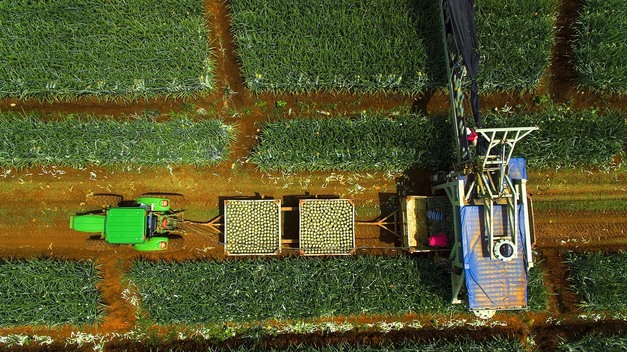
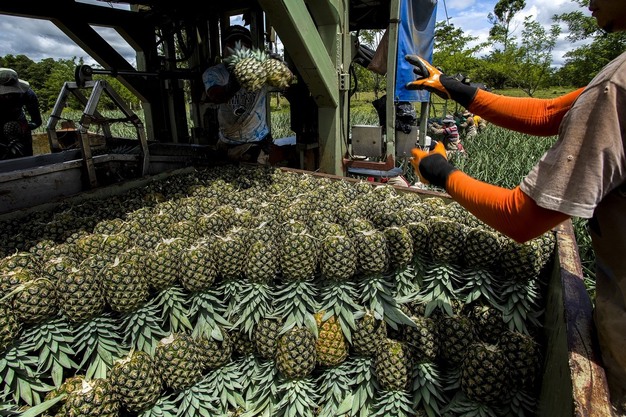
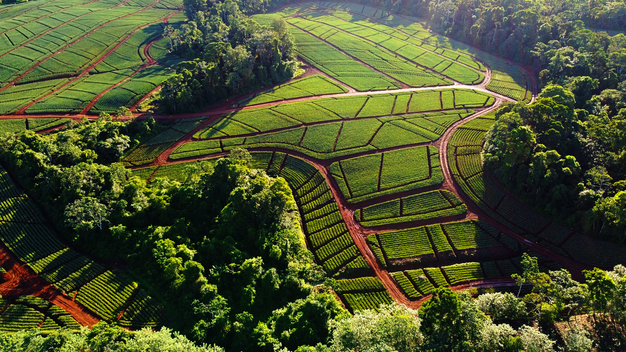
Thanks to the implementation of good agricultural practices, production hasn't been interrupted by the heavy rains in the region. "Waterlogging isn't good for pineapple production, as it facilitates the appearance of fungi, but over the years, we have developed drainage and deep subsoiling to filter out excess water," says Luis Alberto Vásquez, the company's communications coordinator. "The pineapple plant can resist some unfavorable conditions. As long as the water does not remain stagnant, there is no problem."
 © Upala Agrícola
Upala Agrícola is currently exporting between 100 and 120 containers of pineapple a week, mostly to the United States (65%) and Europe (35%). "Costa Rica remains the world's leader. In the U.S., we control around 85% of the market. Mexico, the second largest supplier, barely reaches 5%," says Vásquez.
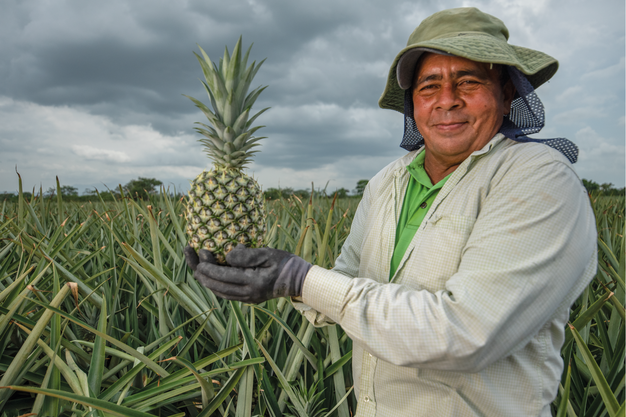
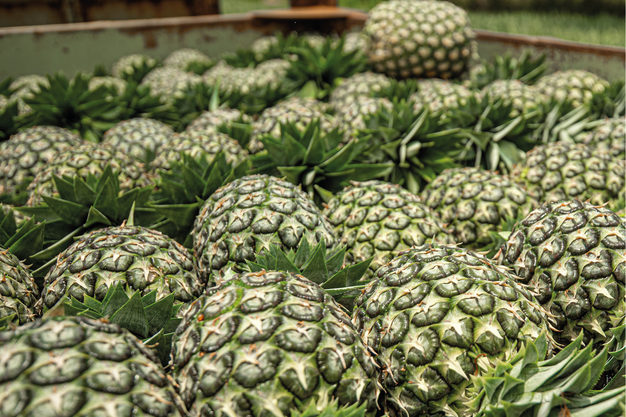
In terms of varieties, the MD2 is still the best seller. "Its sweetness, color, texture, and resistance have allowed it to consolidate its position in the market. There are other options, like pink pineapple, but its price and exclusivity do not make it viable for large-scale distribution for now," says Alfredo Volio.
 © Upala Agrícola
The rise in global fruit consumption has also given a boost to the market. "People are increasingly adopting healthy habits. Pineapple is a diuretic, rich in vitamin C and minerals. Many would rather eat a pineapple than take a supplement," he says.
However, the outlook is not entirely favorable. "Exchange rates are hitting us hard. The value of the colón has increased so much that our sales in dollars are no longer as profitable. We were buying 700 colons with one dollar before; now we can only buy 500 colons, so we have to produce more for the same pay."
 © Upala Agrícola
On top of this, there are also structural problems: "It can take up to eight hours to get from the fields to the port. The roads are narrow, the bridges are old, and strikes or blockades are taking a toll on logistics," says CEO Alfredo Volio. "Lack of infrastructure remains a barrier to competitiveness."
"Business must rely on strategic alliances. Selling isn't the only goal; you need to build social, environmental, and financial projects together. Sustainability cannot depend solely on the producer," says Vásquez.
 © Upala Agrícola
 © Upala Agrícola For more information:
Alfredo Volio and Luis Alberto Vásquez
Upala Agrícola
Upala, Costa Rica
Tel.: +506 2480 0100
[email protected]
www.upalagricola.com