SANKOFA Farm in Bong County, Liberia, is addressing food insecurity and youth unemployment while reducing the nation's dependency on imported vegetables. Founded by Nyamah G. Dunbar in 2014, the farm has expanded from a small plot to becoming the leading vegetable producer in the country. Initially operating with minimal resources, the farm's growth was modest due to limited infrastructure and support.
In the 2022–2023 period, the farm received targeted assistance from the Ministry of Agriculture and the Liberia Agriculture Commercialization Fund (LACF). Investments in mechanization, farm inputs, and marketing infrastructure were vital. The acquisition of a tractor facilitated faster land preparation, while the use of certified seeds and fertilizers improved both yields and crop quality. Furthermore, a new flash-cooling and sales facility in Omega, near Monrovia, helped reduce post-harvest losses. The funding facilitated direct payments to equipment and infrastructure providers under stringent audits.
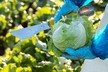
SANKOFA currently cultivates various vegetables such as tomatoes, peppers, cabbage, and lettuce, frequently importing seeds from Benin's Songhai Institute due to unreliable local supplies. Nyamah G. Dunbar highlighted the issues of counterfeit seeds and advocated for decentralized food value chains, stressing that local markets should develop in Bong and Nimba counties.
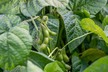
Technical lead Kousse Mamidou, a Beninese agriculturalist, credits the farm's enhanced mechanization for its advancement. The Ministry's provision of machinery, such as a tractor and power tiller, significantly expedited land clearance. Additional enhancements include solar irrigation, sprayers, and certified planting material, leading to substantial productivity increases. An okra plot, for instance, now yields over 2,000 pounds weekly.
Besides crop production, the farm serves as a training ground for youth, women, and students from nearby communities, including Booker Washington Institute (BWI). Training focuses on skills such as tractor operation and organic farming, empowering participants to obtain employment.
However, the farm continues to face challenges, including poor rural roads, inadequate cold storage, and the prevalence of fake seeds. Dunbar suggests that the government's role should be to facilitate private sector innovation by creating a supportive policy environment.
Future growth is dependent on increased support from the Ministry of Agriculture, particularly in areas such as tractor provision, training initiatives, and infrastructure expansion. SANKOFA Farm serves as a potential model for national food sovereignty, demonstrating that with appropriate support, local production can replace imports.
Source: FPA