In 2024, bananas maintained its reputation as a consumer favorite. Yet, rising prices and the advance of diseases and climate change mean strategies must be adjusted, Fresh Del Monte reports. The company focuses on banana cultivation, marketing them in more than 80 countries worldwide. Primeur spoke with Rob Euser, Commercial Director of Del Monte Holland, about segmentation, the demand for premium bananas, research into new cultivation methods, and whether the market has room for a different banana besides the trusty Cavendish.
 © Delmonte
How is the European banana market faring? Is it still the No. 1 fruit?
"Consumption data confirms bananas' hold as the highest valued fruit in Europeans' shopping baskets, even in an economically difficult year like 2024. We did research that shows bananas are consistently 'the most loved fruit' among consumers and that over 9 out of 10 households include them in their meals. Their year-round availability, consistent flavor, and versatility – as a dessert, snack, baking, or smoothie ingredient, and so on – make bananas irreplaceable. European customs statistics confirm this consumption dynamic and show a further increase in import volume of more than four percent in 2024."
 © Delmonte
Banana prices are rising. How does that affect the market? Are there, say, fewer promotions? And, in light of that, how do you see the premium banana market?
"Several factors have affected banana cultivation and distribution costs since the post-pandemic economic cycle. Yet, bananas still have the best price-quality ratio of fruit Europeans can buy every day. Consumer research shows that over 80% of people recognize the benefits of bananas, with convenience being the most important consideration, followed by flavor and nutritional value. That keeps the pressure on retailers to have banana promotions high."
 © Delmonte
"As a sizable grower and distributor, Fresh Del Monte focuses on clear segmentation for our partners. The demand for premium bananas – perfectly sized and ripened, with guaranteed sustainable cultivation according to the highest social and ecological standards – is steadily rising. It's vital for our sector's future to raise awareness about the added value of high-quality, sustainable bananas, both for consumers and the environment."
How do climate change and emerging diseases like TR4 impact banana production and supply? Does the crop, for example, have to change?
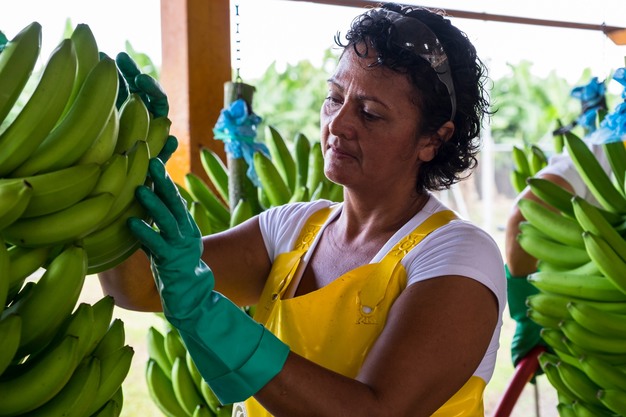
"TR4 directly threatens Cavendish bananas' availability and supply. In collaboration with the Queensland University of Technology, we're at the forefront of innovations aimed at developing disease-resistant bananas. We want to find new cultivation methods that decrease bananas' susceptibility to TR4 while also contributing to a more sustainable food supply. Our tropical research teams are also actively working on hardier, sustainable production systems. We've introduced strict measures on all our plantations to prevent the spread of TR4, and are working with governments to introduce national biosecurity measures."
 © Delmonte
"Also, we've further expanded our regenerative agricultural efforts. We want to maintain and improve our soil's productivity. For instance, we're mapping high water risk production regions to better align investments to mitigate water shortages. We partner with other stakeholders to protect and conserve river basins to guarantee future water availability. Given climate change's growing impact, it's essential to develop more resilient production systems and thus safeguard banana cultivation's future."
Diversification is sometimes used as a strategy to combat climate change and disease. Is your company working on that, and do you see room on the market for other banana varieties besides Cavendish?
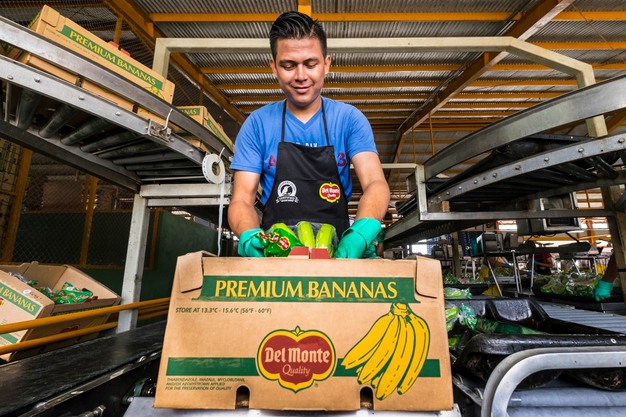
"Cavendish bananas remain essential for a stable, year-round supply and meet European consumers' expectations. That's why we emphasize how important scientific research is in guaranteeing this variety's sustainability. But, we're also further expanding our plantain supply in Europe, particularly in markets where growing ethnic cuisines and communities are creating a strong demand for fruit at different stages of ripeness. Bananas are increasingly being used in new consumption moments and culinary applications. The emergence of varieties that have, so far, been unfamiliar to Europe should increase. It will, though, be some time before they start playing a significant role in the market."
 © Del Monte
What developments are there in the area of Social Responsibility regarding bananas?
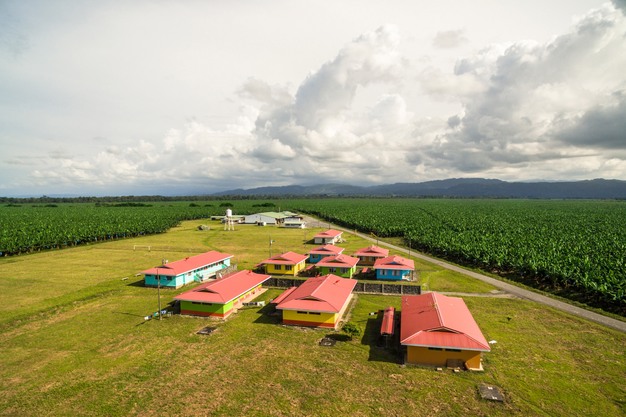
"Fresh Del Monte ensures that employees involved in all our banana activities have access to essential health care, education, and schools. We also offer support regarding transportation and housing. To promote our workers' well-being, we regularly organize recreational activities that stimulate physical health and strengthen social interaction outside of work. We're committed to local communities, too, through volunteer work."
 © Delmonte
"We clean residential areas and national parks, plant trees, and provide environmental education to school children. We also support education in the regions in which we operate by donating school supplies, scholarships, and books. In 2023, for example, our banana plantations in Costa Rica donated more than 100,000 USD and distributed 5,600 school kits. To encourage a healthy, nutritious lifestyle, we regularly donate bananas to churches, hospitals, clinics, schools, and social organizations in the communities in which we're present."
For more information Del Monte Netherlands
[email protected]
www.freshdelmonte.com