Costa Rica's pineapple sector is going through a series of transformations due to weather issues, increases in production costs, and new global consumption trends.
Jalaram Fruit, a company based in Costa Rica with 15 years of experience producing and exporting pineapples, mainly supplies the United States, Canada, and Europe, where its main markets are Spain, Italy, and the United Kingdom. "We also make some exports to Asia but mainly focus on the United States and Canada," stated Suraj Thakrar, the company's account manager. Currently, the company moves approximately 40 containers per week, concentrating on the MD2 variety, the most popular in the international market.
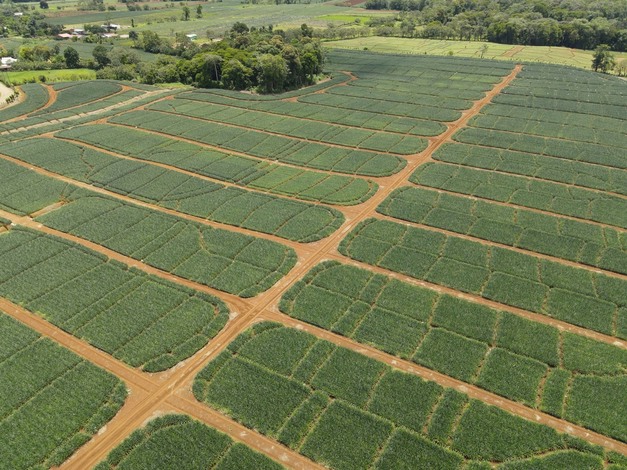
One of the main factors affecting the industry in Costa Rica is the impact of weather on production. "There's been a lot of rain recently, which has reduced the available supply," Thakrar stated. "In addition, the increase in juice prices has influenced the market, with many farmers opting to allocate their harvest for local production rather than facing the risks of exporting. The price of orange juice has increased because the quality of the Brazilian crop was affected by drought and pests. This also pushed the price of pineapple juice up," he added.
"Prices have increased year after year. This steady increase trend in the value of pineapple is partly due to rising production costs and global inflation," he said.
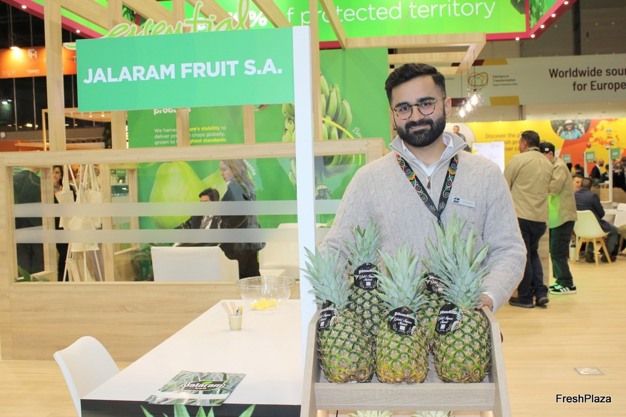
Another factor is production costs. "A lot of work goes into producing and exporting high-quality pineapples, and the compensation offered does not reflect the effort involved," Thakrar said. Factors like rainfall and natural flowering, which can affect fruit development, along with increasing agrochemical prices, have impacted the sector's profitability. "It's a very labor-intensive industry. Everything is harvested and planted manually," he stressed.
Costa Rica remains one of the world's largest pineapple producers. However, the Philippines also plays an important role, Thakrar stated. "India produces a lot of pineapples, but most of it is consumed domestically. Other countries such as the Ivory Coast also produce pineapples. However, their varieties and cultivation methods are not fully competitive in the global market due to internal quality, sizes, and taste," he said.
Despite these changes, the sector's future remains promising. "I think the price will never go down, especially now with inflation. Demand for quality pineapple continues to increase, and with the right adjustments in production and supply chain, exporters can continue to supply international markets competitively," Thakrar concluded.
 For more information:
Suraj Thakrar
Jalaram Fruit
Costa Rica
Email: [email protected]
www.jalaramfruit.com