In recent years in Europe, there has been increasing discussion around fruit and vegetable imports. Many supermarkets say they no longer want to sell imported flown-in products, and European requirements for imported products have also become stricter. That raises the question of whether certain products will still be available in the future.
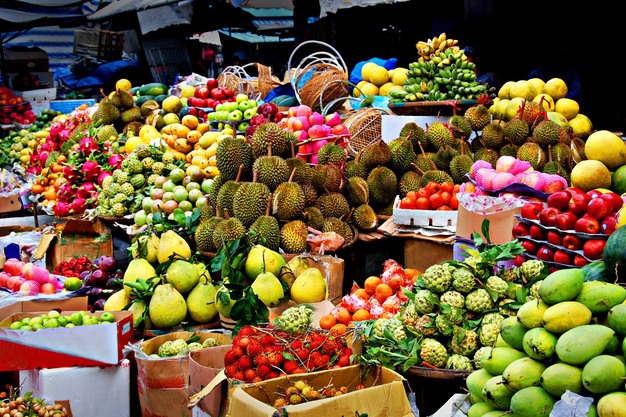
According to Ive Lambert of the Belgian company, Starfruit, Europe has lost its dominant position as a sales market. "Producers have more and more outlets, and with all the additional costs and Europe's requirements, they're increasingly choosing other regions more quickly," he says.
The challenges facing importing smaller exotics are twofold. First, since the pandemic, air freight has become more expensive and increasingly difficult to obtain. That hikes up prices, making it trickier to import exotic products. Second, Europe is no longer the leading destination for such products. Exporters from regions like South America find better prices in emerging markets with laxer standards than in Europe.
Ive stresses that he supports food safety norms but adds that these sometimes go too far. Supermarkets want to use even stricter rules than the European Maximum Residue Limits, further complicating product importation. Getting the necessary certificates and documentation can be very pricey, which is especially problematic for small-scale producers who only ship a few containers a year. "The cost for certificates can reach tens of thousands of euros, which significantly reduces margins." That may be manageable for large companies, but it is often not cost-effective for smaller growers.
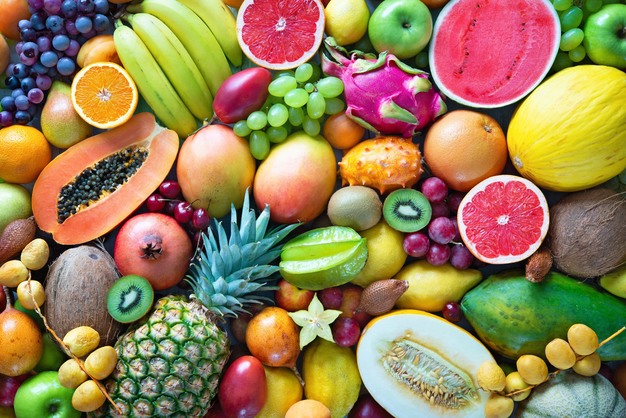
In smaller products like avocado, the focus is, thus, shifting from Europe to the US, where costs and risk are lower. That is the case in products such as pomegranates from Chile, of which almost nothing was sent to Europe this year. "Trade is changing, and Europe is losing its position," Ive argues. That power shift is becoming increasingly apparent. Europe can make fewer and fewer demands, and suppliers will supply products only under specific conditions.
Could that lead to empty shelves? Ive reckons that demand for quality food will keep growing, but production is not rising proportionately. That will eventually cause higher prices, which will be hard on less affluent consumers. "If we continue like this, we may end up with unaffordable food." Small niche exotics will likely disappear from supermarkets, says Lambert, unless they adapt to producers' terms. If high costs make sending exotics to Europe unprofitable, exporters will turn to other markets.
According to Ive, these developments undeniably point to a future where some products' availability will more often be compromised in Europe. "That's already happening and will increase," he concludes.
Ive Lambert Starfruit
Werkhuizenkaai 112
Brussel - België
+32 (0)2242 0876
[email protected]
www.groupadw.be/starfruit