Currently, the tide is turning for container shipping. The market is bracing for a massive inflow of new capacity amid slowing demand and resolved congestion. In the end, this makes capacity discipline paramount for container liners. However, that won’t be easy with increasing competitive pressure after years of record profits
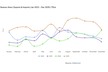
The container shipping market has become used to cyclicality over the decades, and it experienced an unprecedented peak in 2021 and 2022 with record rates and profits for liners. But with consumers starting to reduce their higher goods spending, against a backdrop of a global economy reeling from an inflation shock and rapid rate increases, the demand slowdown is intense. Consequently, spot rates on major trade lanes have quickly dropped. But it’s the subsequent wave of investment in new vessels that will become noticeable in the years ahead.
As container boxes contain food and non-food consumer products, but also capital equipment, semi-finished products and raw materials, it highly correlates with global trade. But container traffic has been more extreme recently. The empty container boom over the course of 2022 was already a signal of deteriorating market circumstances after a surge in consumers of goods and early ordering to secure deliveries.
Source: think.ing.com