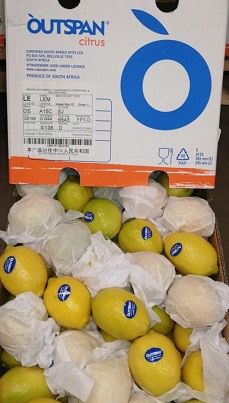
 The first South African Capespan lemons are being packed (harvesting was delayed due to weather in the North) for the Middle East, Russia, Canada and, starting this week, for the Far East.
The easing of the cold protocol on lemons to China presents a very big opportunity for South Africa, says Nico Kotze, head: citrus at Capespan, and towards the end of last year Capespan sent a trial container which, he says, went well.
“The big question is: What will the demand from China be for South African lemons, given that they have a decent domestic crop? We see demand into July, August and September as the good sales window.”
He observes that the lemon crop will be bigger this year, which might cause some concern, but markets are expected to be emptier than 2021.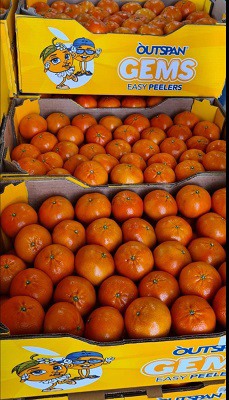 Satsumas are due to start in the last week of February, still an important launch pad for the soft citrus season. Demand for them are looking fair from the Northern Hemisphere.
Right: Outspan Gems, the Capespan mandarin brand
“There’s been a lot of focus on the problems in 2021, but one should remember that 2020 was one of the best years ever for South African citrus,” Nico points out.
“The overarching theme in the citrus industry is still very positive: due to our location in the Southern Hemisphere, excellent quality and proximity to most of the world, our citrus is still very sought-after. If you look at what South Africa has built in relatively 'new regions' - the likes of China, Asia, the USA, and so on - it is still a very exciting space to be involved in. The big question is: where else can we build in the time to come, and how much more can we put in the markets at a competitive price?”
Selective distribution of Gems to sustain growth
He continues: “In the past years we have had a big focus on our Outspan Gems brand of premium mandarins. Counterseasonally to South Africa, we pack these in various locations worldwide. It’s a brand where we’ve seen exponential growth, although the growth has to be managed sustainably and only to selected customers.”
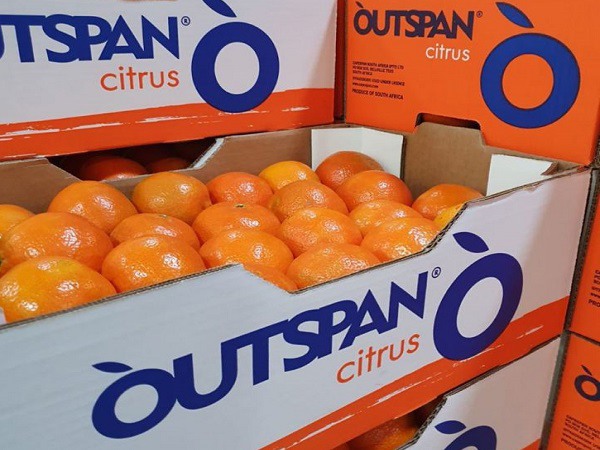 "Outspan Gems is a brand where we’ve seen exponential growth" (photos supplied by Capespan)
“The mandarin industry is maturing quickly and we believe it could still eat into other categories of convenience fruit buying,” he remarks.
Nothing left to chance on logistics
“The biggest strategic shift for us has been to plan the logistics, shipping and volume to precision ahead of the season, and doing this in the framework of agreed programmes, varieties, arrival and sales weeks. It’s absolutely critical that you have the containers and conventional vessels to ensure you can get the volumes out.”
Capespan is making use of conventional vessels for its grapes and will do the same on citrus, Nico notes. It’s expensive in a period of already heightened freight tariffs, but you buy peace of mind.
He observes that on the production side, too, there have been increases on almost all fronts: electricity, labour, fuel, fertilizer and so forth.
“If you’re not a precision farmer, margins are difficult to maintain. When you load something for export you need to be 100% certain of the quality as anything substandard will be very expensive. There is cost pressure throughout the chain which we and our grower partners are working hard to absorb.” For more information:
Nico Kotze
Capespan
Tel: +27 21 917 2600
Email: [email protected]
https://www.capespan.com/