These past few weeks, hardly a day goes by without some bad news from the American agri media about some market calamity as a result of President Trump’s trade war with China. It’s all because China has basically instituted a boycott of most imported US farm commodities in retaliation to high American tariffs against Chinese imports.
Now, one reads that the Chinese agri boycott has worked its way into most US food exports from almonds, walnuts, apples, to beef, pork, etc. The Chinese seem to want to spread the pain to almost every sector of American agriculture to get Trump’s attention. But he is standing steadfast claiming that his negotiating approach will bring China to its knees and come begging for a new trade deal. The US ag industry has been howling in protest the longer the war continues.
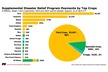
So much so that the Trump administration has handed out $30 billion in subsidies to US farmers and ranchers over the past two years to calm them in their hour of need. But the industry claims it’s all a drop in the bucket and is much too universal, rather than targeting producers actually impacted by the war. The subsidies are paid out on a type of formula based on acreage.
Effects on Canadian agri industry
All of this marketing turmoil in the US has and will surely affect the Canadian agri industry – both good and bad. For consumers cheap US fruits and vegetables would be the most obvious benefits. For primary producers it’s a mixed blessing. On the one hand cheap American soya meal and corn will lower feeding costs for meat producers. But then those producers will be faced with increased imports of cheap surplus American beef and pork that was destined for China is now looking for a new home in the Canadian market.
One could observe that these ag market disasters were self-inflicted by both Canada and the USA. Neither country had to pick a fight with China. But it displays a lack of diplomatic nuance and trade savvy versus the ever-inscrutable Chinese – who seem to be quite aware of their trade power and know how to use it. They are also not too concerned how the trade war will affect their own citizens, they are not a democracy and have a lower standard of living. They have shown that they can live without agri imports from North America – it’s a bargaining position that they could maintain for a long time.
Source: brooksbulletin.com