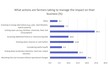
The three risks are:
- Low-cost ultra-processed foods could flood the UK market, with the potential increase in production, availability, affordability and promotion of ‘ultra-processed’ foods in the UK.
- Price volatility for fresh veg might result in reduced consumption as fruit and vegetables become less affordable for British households post-Brexit due to inflation, unfavourable exchange rates, alterations to the free movement of goods and the rising cost of seasonal labour.
- Action to promote healthier diets and tackle obesity could be undermined by a reversion to World Trade Organisation (WTO) rules on tariffs, adversely affecting the UK’s ability to introduce or extend voluntary initiatives that promote healthier eating.
Honor Eldridge, policy officer at the Soil Association, said: “The future of the UK’s trading relationship with the EU and other countries remains uncertain. Such ambiguity is concerning as half of the UK’s food is imported. Any future trade deal will have profound impacts on our food and farming systems and, by consequence, on public health.”
The organisation believes all future trade negotiations must be underpinned by three principles promote healthy eating.
- The trade of food promotes public health by making fresh and minimally processed foods more available and more affordable
- Agricultural and trade policy is aligned to support British farmers to produce high quality food that benefits public health, the environment and animal welfare.
- Procurement and trade policy is aligned, with public procurement used to stimulate demand for British produce, supporting British farmers to compete to supply high quality affordable food.
Honor continued: “With diet-related ill health and obesity on the rise, it is vital that the UK’s future trade relationships gives the UK the ability to implement policies that deliver healthy food at a reasonable cost to all citizens.”