The French organic sector is booming but domestic supply can't meet demand for key ingredients. The industry is therefore hoping that Macron's farm-to-fork review will step in to provide assistance - and hopefully some of the €5bn set aside in funds.
France's organic sector was worth €7 billion in revenue for 2016 and during the first six months of 2017, sales increased by €500m year-on-year, according to industry body Agence Bio.
French president Emmanuel Macron recently referenced organic food as an example of the 'quality upgrade' that France's food system needs to remain competitive.
The director of industry body Agence Bio, Florent Guhl, is therefore confident that the future is bright for the French organic sector - although the challenges remain.
Agri-food industry stakeholders have been holding a series of technical meetings across France since this summer as part of the Etats Generaux de ('Alimentation (EGA), a review of the state of the food industry. The two main objectives of the review are to allow farmers a decent living wage based on fair prices, and to ensure each individual has access to healthy, sustainable and safe food.
Keeping up with the dynamic domestic demand for organic foods, which is between 15 and 20% depending on the category, is proving difficult.
The government has pledged €5 billion at the end of the EGA to bring about changes in the industry, one of which includes ensuring access to healthy, sustainable and safe food.
Agence Bio's priority is to identify a strategy which anticipates the needs of tomorrows organic market.
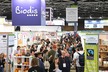
Speaking to FoodNavigator last week at Natexpo in Paris, Guhl said: "We need to bring about an evolution in the food and farming industries in France, and the organic sector can really contribute to this, especially regarding the second round of discussions (about healthy, safe, sustainable and accessible food)."
"This evolution is about listening to consumer demands on the environment health and local products, and we have an answer to this. We therefore need to increase the amount of organic food on French people's plates, and Agence Bio can start by defining how."
'We must be able to answer this domestic demand ourselves, and that will require investment over five, ten or fifteen years. This is what we want for the EGA - investment in making organic products of tomorrow."
The EGA discussions and workshops will round up by the end of the year, and each stakeholder must have contributed before then. Agence Bio holds weekly meetings internally so it has relevant proposals to bring to the table during stakeholder meetings.
One request that Agence Bio has made at the EGA is for organic producers to be given priority as potential buyers for farmland that becomes available when a farmer retires.
Investment into increasing the market share of organic processed food, by helping manufacturers and in particular SMEs transform raw materials into finished products is another priority.
Whether other actors in the food industry will be receptive to Agence Bio's proposition that organic can provide the "healthy, safe, sustainable and accessible food"sought after as part of the EGA is part of the debate.
"The idea is to bring everyone around the table and share views. It's true that today, we find more support in consumer groups and NGOs for different reasons. But during some of the EGA workshops, I have met industry professionals that are not organic who are saying 'we need to move towards a more qualitative model."
"France will always be less competitive if we compete on prices alone. We need to compete on quality and with reasonable prices,"said Guhl.
"The conviction that we are trying to share with other economic actors, who may not share the organic sector's message, is that organic food is a mark of quality, among others, and we can help fix objectives to achieve this"
"The first round of EGA talks concluded several weeks ago with stakeholders reaching an agreement to raise the minimum price paid for certain products. Agence Bio participated in these discussions was to explain why organic farmers receive a higher price for their produce, said the director. "
"This is not by chance or because organic farmers only produce small quantities, it's because retailers - small, organic shops but also large supermarkets - agree to buy from farmers over several years."
Source: foodnavigator.com