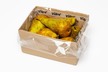
Clay-based antimicrobial packaging could help keep produce fresh
Now scientists report that they have developed a packaging film coated with clay nanotubes packed with an antibacterial essential oil. The film provides a one-two punch, preventing over-ripening and microbial growth, which could help improve the shelf life of perishables.
The researchers are presenting their results at the 254th National Meeting & Exposition of the American Chemical Society (ACS). ACS, the world’s largest scientific society, is holding the meeting here through Thursday. It features nearly 9,400 presentations on a wide range of science topics.
“Food packaging that is capable of interacting with food can contribute to safety and prevent economic losses from spoilage,” Hayriye Ünal, Ph.D., says. “Specialized films that can preserve a wide array of foods are highly sought after.”
To meet the demand for multi-functional packaging, Ünal’s team started with a polyethylene film. To scavenge for ethylene and provide a gas barrier the group incorporated clay “halloysite nanotubes,” which are small, hollow cylinders. The nanotubes prevent oxygen from entering the film, and prevent water vapor and other gases from escaping. In addition they keep ethylene from building up by absorbing it.
The researchers loaded these nanotubes with a natural antibacterial essential oil found in thyme and oregano called carvacrol and coated the inner surface of the packaging film with the loaded nanotubes to kill microbes.
After, they wrapped tomatoes and bananas in the film to test its effectiveness over varying amounts of time compared to foods wrapped in plain polyethylene. After 10 days, tomatoes wrapped with the new film were better preserved than the control vegetables. In addition, the new film helped bananas stay more firm and keep their vibrant yellow colour after six days compared to the control fruit.
But moving this technology to industry will require some additional work, Ünal says. As a next step toward that, her team will test the new film to make sure it is safe and non-toxic.
Source: acs.org