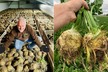
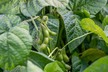
“The rains we’ve had here in California have made it a bit tougher to get things out of the fields,” says Dan Sutton of Oceano, Ca.-based Pismo Oceano Vegetable Exchange (POVE), who supplies both regular and Shanghai Bok Choy. “The weather is a challenge, but by no means is it a complaint. We’ve had extended drought conditions for quite a while. We’re not able to harvest our normal volume, so things are taking a lot longer and we’re slower to get it out of the field. But we’re working through it.”
Tight supplies
And while the quality of the leafy green and white vegetable looks good, supply is a little tight, in part thanks to the rainy conditions. “Even though our supplies are tight, the prices aren’t escalating very quickly,” says Sutton. “Part of that is the other growing regions probably have more ample supplies than we do. A year ago at this time of year, prices were much better.”

And while the quality of the leafy green and white vegetable looks good, supply is a little tight, in part thanks to the rainy conditions. “Even though our supplies are tight, the prices aren’t escalating very quickly,” says Sutton. “Part of that is the other growing regions probably have more ample supplies than we do. A year ago at this time of year, prices were much better.”
Demand steady throughout the year
Clearly the product is moving just fine on the shelves though. “We can’t harvest enough in any given day for what we would like to send out,” he says. He hopes, as the region dries out a bit, that the supply will become more consistent and POVE can get its full harvest out.
Increasing interest in Bok Choy
It seems in fact that Bok Choy moves regularly throughout the year. “We see demand go up if there’s a growing region with poor production or quality issues. Then the demand for California Bok Choy increases drastically,” he says. “But Bok Choy isn’t the specialized commodity it used to be. It seems to be a little more prevalent in growing operations and product lines. It’s grown throughout many different regions, not only here in California or Arizona but also throughout the nation as well.”
For more information:
Dan Sutton
Pismo Oceano Vegetable Exchange
Tel: +1-805-489-6517
[email protected]
http://pove.net/
Clearly the product is moving just fine on the shelves though. “We can’t harvest enough in any given day for what we would like to send out,” he says. He hopes, as the region dries out a bit, that the supply will become more consistent and POVE can get its full harvest out.
Increasing interest in Bok Choy
It seems in fact that Bok Choy moves regularly throughout the year. “We see demand go up if there’s a growing region with poor production or quality issues. Then the demand for California Bok Choy increases drastically,” he says. “But Bok Choy isn’t the specialized commodity it used to be. It seems to be a little more prevalent in growing operations and product lines. It’s grown throughout many different regions, not only here in California or Arizona but also throughout the nation as well.”
For more information:
Dan Sutton
Pismo Oceano Vegetable Exchange
Tel: +1-805-489-6517
[email protected]
http://pove.net/