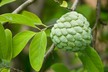
Huelva has a suitable climate, water and soil for the cultivation of subtropical fruits such as mango, avocado and papaya. This is one of the conclusions reached at the technical meeting held last Wednesday by the Palos de la Frontera Irrigation Community (CR Palos), where the potential of subtropical fruit production was addressed.
The manager of CR Palos, Fernando Sánchez, stated that the motivation for the meeting was a trip made last September to the Cajamar Las Palmerillas Experimental Station in El Ejido, Almeria, where they were given the chance to observe "the great yield achieved by these crops and how viable they can actually be, given that they require a much smaller investment."
According to Sánchez, "the province of Huelva meets all the necessary conditions to cultivate subtropical fruits, as we have the climate, water and soil necessary for it." Moreover, he stressed that the objective of this conference is "to show our growers an alternative and allow them to diversify, as with our strawberry we have already gained plenty of ground and are perfectly familiar with the mechanisms of the market and the marketing," concluded the manager of CR Palos.
For his part, the director of Cajamar Palos de la Frontera, Fernando Alonso, stressed that, just like the technical meeting of Fresón de Palos, this is one of a series of events where "we want to show Huelva's growers our experiences at the Cajamar Las Palmerillas Experimental Station; a very interesting centre where we have been working for many years to improve our crops and open new roads for agriculture," he concluded.
The presentation was given by Juan José Hueso Martín, technician at the Cajamar Las Palmerillas Experimental Station, who highlighted the high potential of subtropical fruits and the many possibilities that their cultivation creates in this area, because "Spain is the only country of the European Union which has the necessary conditions for the crops' cultivation, so we have the entire European market at our disposal."
As highlighted by Hueso in his presentation, "these varieties require less labour than red fruits, so that investments and irrigation are minimised, and could become a serious alternative in the diversification of Huelva's agriculture."
In any case, while Hueso has acknowledged that "in the province of Huelva, there are currently very few who have dared giving them a try," he was also hopeful, as "producers in the area are showing openness and interest in the production of these subtropical fruits, so we could be at the beginning of a new cycle for Huelva's agriculture," predicted the technician of Las Palmerillas.
Source: Europa Press