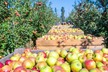
Apricot growers in Tirajana, the apricot producing area par excellence in the Canary Islands, are going through a rough patch. Due to the high and abnormal temperatures recorded last winter, they will lose more than 70% of the production. This was stated by the president of the cooperative Zona Alta, Vicente Santana.
The apricot harvest in the area is being a failure. "There is a lack of fruit, and I don't think we'll even manage to reach 30% of last year's production, which stood at about 240,000 kilograms," said Vicente Santana, producer and member of the managing board of the cooperative Zona Alta, in a statement issued last Friday. He also said that this year it will be difficult to find fruit from this origin at greengrocers and supermarkets.
Santana blamed the changes recorded in the climate in recent years, especially in the winter. "When we needed cold, it did not come; when it arrived, it was already late and prevented the fruit from developing normally," he points out, adding that this abnormal behaviour of the climate already affected the crop about six years ago, also with disastrous consequences. "If the situation doesn't change, we will have to start thinking about switching to other crops," he affirms.
The fruit's acreage amounts to around 15 hectares, about 150,000 square metres, which yield an average annual production of 300,000 kilograms in the best years. Its main destination is the local Canary market and occasionally some of it goes overseas. This year there won't be enough even to meet the local demand.
Source: canarias7.es