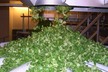
Two years ago fruit company SPC Ardmona was in danger of closing, putting more than 2000 jobs at risk. Now SPC is back in business; though the new SPC Ardmona cannery at Shepparton looks much like the old one, $100 million has been invested in it.
The Victorian Government invested $22 million, while parent company Coca-Cola Amatil found $78 million and a business rescue strategy, aptly called Project 100, was born.
More than $50 million of the bailout money has been spent and the storage halls of the cavernous, heritage-listed building are filled to the roof with steel cans.
The marketing machine in charge of SPC Ardmona’s modern look doesn’t want to call the “new” factory a cannery, because that sounds “old”; Andrew Fairley Ave in Shepparton has become a “food centre” that happens to have lots of cans in it.
The Federal Government may have brushed aside Coca-Cola Amatil’s appeal to its national pride but the State Government was understandably alarmed at the multinational’s grim tidings: reinvest or die.
The former farmer co-operative, SPC, at Shepparton, Kyabram and Mooroopna, had forgotten to modernise and faced extinction.
It was people power that rescued the Aussie label.
In 2014, then SPC general manager Peter Kelly said sales of jams, baked beans, tinned tomatoes and fruit jumped 50 per cent in the weeks after consumers learned of its predicament.
It claims the public is still with it two years later, even if some supermarkets have brought cheaper imports up to eye level on shelves. Shoppers are willing to pay almost double to support an Aussie in strife.
Source: weeklytimesnow.com.au