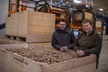
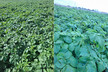
Tunisian exporter of fresh produce, Alyssa Fruits, has been exporting premium potatoes for several years, and though they're expanding their export program into new markets, they're also establishing a domestic presence. This year will be the first time for Alyssa Fruits' potatoes.
Alyssa Fruits is also expanding its export program. Spain, Italy and Germany have traditionally been the main destination for Tunisia's potato export, but the financial hardships that hit Europe have impacted demand in each of those countries. Tunisian potatoes, which are premium products because of the favorable weather and soil in which they are grown. Generally, command prices higher than competing European potatoes, so European consumers, when faced with strained pocket books, cut back on expensive products.
The response by Alyssa Fruits has been to sell potatoes locally, where, at 45 euro cents per kilogram, prices are almost double what they usually are. Another move has been to expand their market presence outside of Europe.

“We'll do our best to minimize the risk of non-payment,” said Gaddas. “We'll go with supermarkets, we won't just go with the first person who wants to buy, we'll ask for payments in advance and we'll have export insurance. It's an issue with payments, but there are solutions.”
Whatever Alyssa Fruits ends up sending there, Gaddas thinks it won't begin to cover the total demand in Russia. While exports have increased, and while Gaddas expects those exports to increase further in 2015, the 1,500 tons Alyssa Fruits exported last year can't cover all Russian demand.

“We can't compare with Egypt or Israel in quantity, but we have much better quality,” said Gaddas. “We can also get to Europe faster, so our product is fresher. Our environment also gives the potatoes a taste that is better.”
Alyssa Fruits' vegetable program is also going strong. They export Bejaoui and Muscade pumpkins, primarily to Italy and France. Annual exports are between 500 and 600 tons, though Gaddas thinks those figures could increase this year as Europe begins to pull itself out from bad economic times. Portuguese product competes with Tunisian pumpkins for the first part of the year, and then South American pumpkins start showing up around March. As with potatoes, Gaddas believes that their proximity to Europe gives them an edge over South American product.
The artichoke varieties that Alyssa Fruits exports, mainly to Italy, are White, Violet and Romanesco, with the latter two being the most popular. Exports begin this month and will likely run through the end of April. Gaddas expects quality to be good this year due to the absence of frost during the growing season.
Walid Gaddas
ALYSSA FRUITS
email: [email protected]
tel: 00216-29-325-343
www.alyssafruits.com
Facebook : AlyssaFruitsTunisia
Twitter : ALYSSAFRUITS
Author: Yzza Ibrahim / Carlos Nunez