Australia’s native nut is in bloom and so are its prices
Commercial production of macadamias began in 1974, and from humble beginnings the industry now has more than 750 growers who produce about 40,000 tonnes of nuts-in-shell each year.
Seventy per cent of the crop is exported to more than 40 countries — with Asian markets showing the greatest growth.
Almost 18,666ha are under production and the fastest- growing region is Bundaberg, Queensland, where larger farms are being planted and output is expected to grow 40 per cent by 2020.
Macadamias represent about 1 per cent of the world’s trade in tree nuts.
Macadamias are sold mainly as kernel, which is processed for snack-food lines and as an ingredient in confectionery, cereals, ice-cream and bakery products. The domestic market consumes about a third of total production.
About 7000 tonnes of kernel was exported last year, 5000 tonnes of which was in-shell. This was valued at $105 million.
Consumption of macadamias in-shell is increasing in China — a market that is expected to grow significantly over the next five years.
Australian Macadamia Society chief executive Jolyon Burnett said the season had started strongly with good conditions, and a bountiful yield was expected if conditions remained favourable.
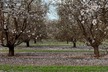
“Weather conditions are just right for a good-quality blossoming. It’s very exciting,” Mr Burnett said. “The shorter cycle will also make life easier for our growers as they will be able to consolidate their tree husbandry over a shorter time frame, unlike in previous years when milder conditions created an earlier blossoming that lasted over a longer period. Flowering occurs between August and October each year. Our trees bear sprays or racemes of small white or pink blossoms which reach full growth at 10 to 15cm.”
Better farmgate prices had allowed growers to improve orchard conditions and boost nut set, Mr Burnett said.
Source: weeklytimesnow.com.au