Why indigenous fruit & veg should be on the Australian dinner plate
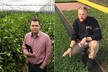
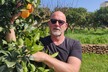
Dr Keatinge heads up the World Vegetable Centre and says people around the world have to rethink their attitude towards vegetables and fruits.
"Tomatoes, Chinese cabbage, ordinary cabbage - the truth of the matter is that they're not very nutritious at all. Things like cucumber and cabbage are essentially just water standing up," he said.
Dr Keatinge is a passionate advocate for consuming indigenous vegetables and argues that greater understanding of wild-grown species could be the key to addressing malnutrition, particularly in developing countries.
"We at the World Vegetable Centre are particularly interested in people who live on less than $2 per day."
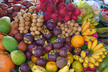
He explains lesser-known vegetables and fruits of high nutritional value, such as the vitamin C-rich rosella, should be widely promoted to increase diet diversity.
Dr Keating will highlight the case for extra investment into the research and development of indigenous vegetables at this week's International Horticulture Congress, being held in Brisbane.
"It's not an issue of whether you should be eating Australian indigenous vegetables. If we can find ones from Africa or central America which are also good and healthy for you, why not try them?"
Dr Keatinge over-sees the world's largest public vegetable seed bank, with more than 60,000 specimens collected from 156 countries - including Australia.
"Wherever you are in Australia, we can find a vegetable that can grow there."
Source: abc.net.au