US: University of Maine battling potato blight
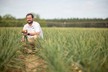
Graduate student Kristen Michelle Brown is working with two potato varieties from the University's breeding program that will hopefully one day hold a late blight-resistant gene.
“Late blight is a big problem in Aroostook County because the climate is so fantastic,” Brown said. “The only way you can treat it is by pouring fungicides onto your plants.
“There are genes in a number of potato varieties which are late blight-resistant genes. The idea is that if you can get those genes into your potato varieties then you don’t have to use as much fungicide,” Brown said.
Brown’s research is a reproduction of a 1977 experiment by researcher William Fry, who sought to develop a way to reduce the amount of fungicide used on potatoes. The fungicide used in the experiment and by potato farmers in northern climates today works to combat late blight pressure in potatoes.
“What Fry found was that when these potatoes have resistance genes, they don’t need as much fungicide,” Brown said.
Brown’s research is partially funded by the Maine Potato Board. She presented this information to the 28th annual Maine Potato Conference earlier this year.
“When people are looking for potatoes, it has to meet market specs. It’s not uncommon for a variety to take 15 to 20 years before a breeding program produces one that’s commercially available. That’s a lot of time, a lot of money and a lot of space. You have to plant for many years,” Brown said.
“Potatoes are very sensitive to the environment: Their size is largely based on weather. What we may see are varieties that are better suited for New York may be better suited for southern Maine,” Brown said.
Brown explained that the research potatoes are not genetically modified; they are created in a traditional breeding process. The breeding program at the University of Maine doesn’t have the resources for genetic modification. The processes involved in traditional breeding resemble characteristics of genetic modification.
Source: mainecampus.com