AU: Falling produce prices may slash interest rates
According to a market stall owner at the market adjacent to the bank's HQ, Glenn Stevens has resumed buying bananas since the price dropped to the more usual $1 after reaching as high as $3. The reason for the high price rise was crop damage in the north of the country where the bananas are grown.
''He used to buy a banana a day off me,'' then stopped coming, says David Bisoglio, who's run the stall at Martin Place in Sydney for the past eight years. ''In the last three months, he's come back,'' says Bisoglio, 32. ''He makes the comment 'oh, it's nice to see bananas are back to the normal price'.''
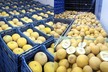
After almost 10 years of drought and a very mild Summer there is now a glut of fresh fruit and vegetables on the market again, forcing down prices by an average of 25%.
There is talk of the drop in fruit and vegetable prices fuelling cuts in interest rates as the nation's inflation-linked bond market underscores the retreat in price pressures.
''It looks like there's quite a big fall in fruit and veg prices coming through in the first quarter and part of this is the final leg of the banana story,'' says Michael Blythe, chief economist in Sydney at Commonwealth Bank of Australia. ''These numbers don't look like they'll be standing in the way of a rate cut.''
Wholesalers, farmers and industry analysts say Australia is harvesting its biggest crops of apples and avocados on record and the largest stock of mangoes in a decade.
''Just about everything has been in oversupply,'' says John Roach, head of an association of wholesalers at Melbourne's fruit and vegetable market, which sells price data to the Reserve and the Australian Bureau of Statistics. ''The price can only do one thing in that situation: it crashes.''
Prices for potatoes and onions have dropped as much as 40% from last year, plums and peaches are down around 33% and tomatoes 20%, according to Roach.
According to Blythe though, a lot depends on the supermarkets and how they react to the over supply.
''The one wildcard is the Coles effect,'' he says. ''While wholesale prices are down, we might see a bigger impact on retail prices, which is what's more relevant for the CPI.''
Source: www.theage.com.au