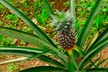
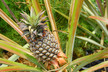
Indonesia is now recorded as the world's largest pineapple producer, with annual production exceeding 3.2 million tons. This level of output places the country ahead of other tropical fruit-producing nations.
Global pineapple production is largely concentrated in Asia, Latin America, and Africa, regions with tropical climates suited to cultivation. Indonesia's position highlights the scale of its horticultural sector and creates room to expand domestic consumption of fruit-based nutrition.
Professor Ahmad Sulaeman of the Faculty of Medicine and Nutrition at IPB University said pineapple is more than a tropical fruit. "Pineapple has long been recognized for its many health benefits. Among them is its fiber content, which is beneficial for digestion."
 © IPB University
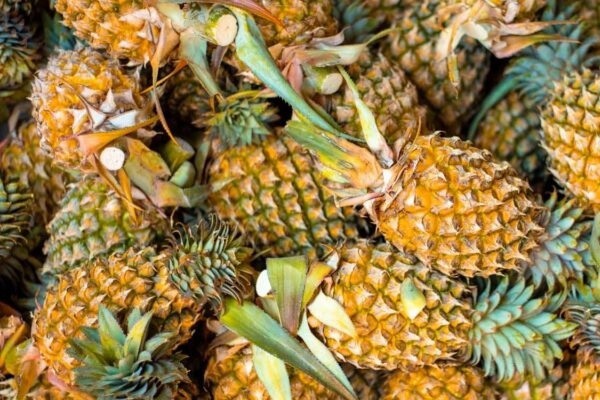
The fruit, scientifically known as Ananas comosus, is characterized by its bright yellow color and sweet, slightly tangy flavor. In addition to taste, pineapple contains carbohydrates and water-soluble vitamins, particularly vitamin C, as well as B vitamins, including B1, B2, B3, and B6.
"Its vitamin C content is very high and contributes significantly to our daily vitamin requirements," said Prof Ahmad. Pineapple also provides minerals such as potassium and magnesium, along with other electrolytes that support metabolic processes and bone health.
Another component of interest is the bromelain enzyme. This enzyme is associated with anti-inflammatory properties and is linked to bone health and joint-related conditions. Bromelain may help reduce inflammation, support recovery after injury, and decrease muscle soreness after exercise.
"People with joint problems or gout may benefit from consuming pineapple because of its bromelain content. It also has antidiabetic potential. Pineapple contains very beneficial antioxidants," he stated.
In addition to bromelain, pineapple contains phytochemicals, including alkaloids and phenolic compounds. Although present in smaller quantities, these compounds contribute to its nutritional profile.
Pineapple is consumed fresh and is also processed into juice, fruit salads, culinary products, and jam. With production exceeding 3.2 million tons per year and a broad nutrient composition, pineapple remains a central fruit within Indonesia's horticultural sector.
For more information:
IPB University
Tel: +62 251 8622642
Email: [email protected]
www.ipb.ac.id