The 2026 Peruvian pomegranate season will start on time, but there will be a notable difference from last season: Weekly volumes will be shifted by about two weeks, according to José Luis Gereda, president of ProGranada. "The season won't start late, but there will be a shift in the volume curve. There will be production from week 1, but less than last year," said the association's representative after touring the main producing areas in the south of the country.
Arequipa will be the only region to start harvesting in January, with small volumes, as in previous seasons. Ica, which accounts for 76% of national production, will begin its usual cycle but peak earlier.

ProGranada's referenced weeks relate to production schedules, not arrival times, which the association emphasizes as crucial for clarity to prevent misunderstandings. For instance, if production begins in week 1 and the peak volumes occur around week 6, the Peruvian fruit is expected to reach Europe, its main destination, approximately by week 5, with most arrivals between mid-April and May.
This is the first season in which the country can export to the Chinese market under the cold treatment protocol (1.67 °C for 17 days), so the sector expects low export volumes. "We'll learn how to handle the quarantine treatment. It is a new process for everyone. Thus, volumes will be increased gradually," said Gereda, who emphasized that the cold treatment used is similar to the treatment applied by Israel to send pomegranates to the United States to eliminate the fruit fly before arrival.
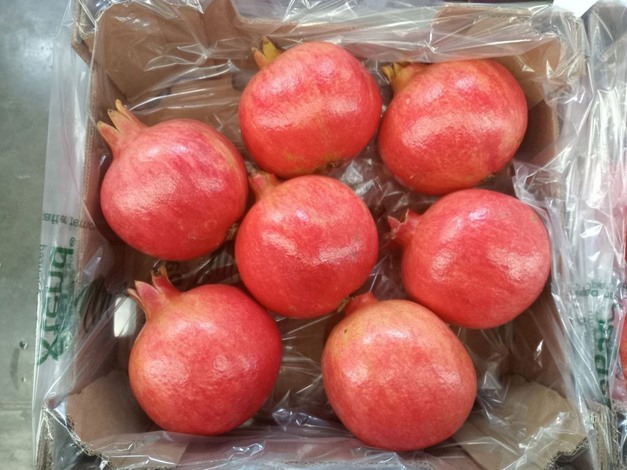 © Progranada
To ensure the fruit arrives in optimal condition, ProGranada and Stepac have arranged for Dr. Ron Porat, an expert at the Vulcani Center in Israel and a leading authority on cold treatments for pomegranates, to train exporters at the end of February. During this training, Peruvian exporters will learn technical guidelines for managing quarantine treatments and reducing the risk of cold damage in shipments to China.
This step is seen as a gateway to the Asian market, a strategic move that could significantly expand opportunities for Peruvian fruit.
"The 2026 season will start on time, but will feature a different volume distribution, affecting arrival weeks and exporters' commercial plans. Europe remains the primary destination, while China is still in a learning phase and undergoing technical improvements," he stated.
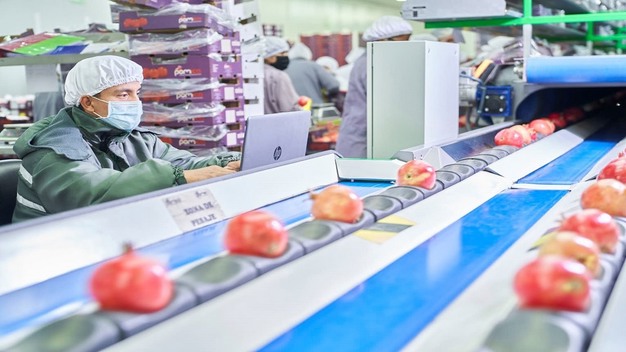 © Progranada
 © ProgranadaFor more information:
José Luis Gereda
ProGranada
Peru
Tel: +51 959 277 351
Email: [email protected]
www.progranada.pe