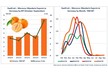
Governor Ron DeSantis issued a state of emergency for dozens of Florida counties yesterday, in order to make resources available to farmers dealing with freezing temperatures.
Those counties include Brevard, Broward, Charlotte, Citrus, Collier, Daytona, DeSoto, Hardee, Henry, Hernando, Highlands, Hillsborough, Indian River, Lake, Lee, Manatee, Martin, Miami-Dade, Monroe, Okeechobee, Orange, Osceola, Palm Beach, Pasco, Pinellas, Polk, Sarasota, Seminole, St. Lucie, Sumter, and Volusia counties.
Abcactionnews.com reported that the Florida Division of Emergency Management is working with the counties to provide resources, according to the news release. A key part of the order increases weight and size restrictions on commercial vehicles that transport crops or deliver emergency supplies.
A memorandum issued by Governor De Santis’ office can be found here.
Florida Agriculture Commissioner calls for intervention
Fdacs.gov reported that Florida Agriculture Commissioner Nikki Fried urged Governor Ron DeSantis to immediately declare a state of emergency for Polk, Highlands, Hardee, Desoto, Hendry, Collier, Glades, Okeechobee, and Palm Beach counties, allowing the Florida Department of Transportation to invoke its authority to suspend size and weight restrictions of any vehicles traveling within the state that are transporting agriculture commodities and citrus so that impacted farmers can move as much product as possible while it is still salvageable.
According to an article on citrusindustry.net, the low temperatures in the mornings of January 29 and 30 did more citrus damage than an initial report indicated, citing Highlands County Citrus Growers Association Executive Director Ray Royce's update from February 1:
“The coldest weather in at least four to five years has left much more damage behind in parts of the South-Central Florida region (Highlands and neighboring counties, for example) than perhaps originally reported. The two-night event had some grove locations recording significantly lower temperatures and longer durations than others across the citrus region."
“Temperatures in the low- to mid-20s led to freezing and frosty conditions with significant durations (at least six to eight hours) in many locations during the early mornings of both Sunday, Jan. 29 and Monday, Jan. 30. Those conditions resulted in widespread and considerable small twig, leaf and bloom damage. Potential fruit damage due to icing has also been reported from numerous growers."