Northwest Europe's potato market has been highly volatile in recent times, creating both opportunities and challenges. For APF-Eriva, that volatility plays to its strengths. Director Michel van Oijen describes the Dutch company as a "speedboat among oil tankers"—flexible and agile in a market dominated by major players.
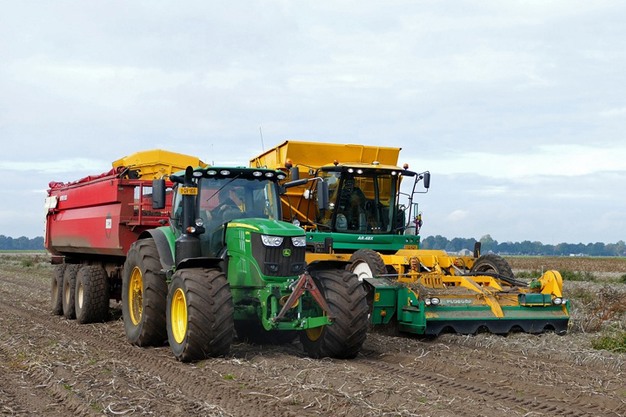
APF-Eriva was formed in 2019 through a merger between APF Holland and Eriva. That partnership quickly proved its value during the COVID-19 crisis. "We had different trading strategies, and that diversity helped us respond to market conditions," says Michel. The pandemic underscored the importance of flexibility: companies that reacted quickly performed better.
 © APF-Eriva
The free market vs contracts
Michel sees the disappearance of the futures market as a loss. The sector has become more reliant on free market pricing and contracts. APF-Eriva deliberately combines fixed-price and pool contracts. "We've always been a pool business. That gives growers an average price over the season and the certainty that their product will be sold," he explains. With low prices and fewer contract options, growers increasingly seek that security. "Without that guarantee, it becomes difficult to sell potatoes."
Pressure on international market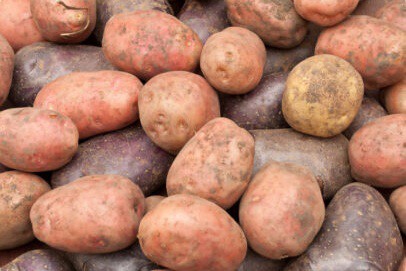 © APF-Eriva
Meanwhile, the international market is shifting rapidly. Countries such as Egypt, India, and China are expanding their processing capacity, reducing demand for European exports. Currency fluctuations and logistics also play a role. "The euro/dollar exchange rate makes our potatoes relatively expensive," Van Oijen notes. Despite this, Northwest Europe remains competitive thanks to high yields and efficient production.
Climate change adds further pressure. "Irrigation and water management are becoming increasingly important, and we're not fully prepared," he says. This could influence future contracts and cultivation strategies.
The search for the perfect potato
Innovation in potato varieties remains essential, as no "perfect" variety yet exists. "It must balance yield, storage quality, low inputs, and good cooking quality," Michel explains. Varieties like Agria, Innovator, and Fontana still dominate, but new ones must prove themselves under changing climate conditions.
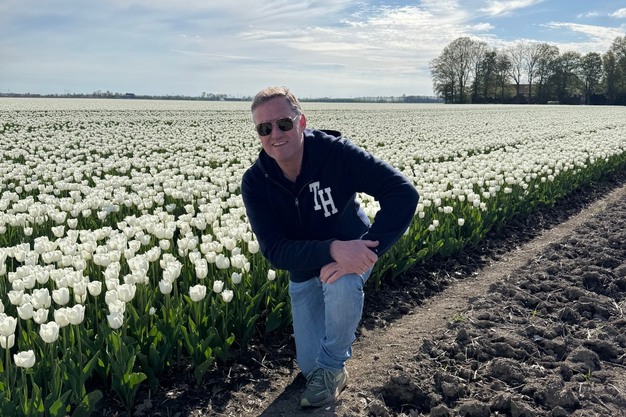
Although the merger has increased APF-Eriva's scale, flexibility remains central. "Like a high-speed vessel, we solve problems quickly, but remain dependent on our course," Michel says. A global outlook offers additional opportunities and access to new markets.
 © APF-Eriva
Risk and policies
Risk diversification is becoming increasingly important. Climate policies, nitrogen regulations, and crop protection rules have major implications for the sector. Smaller trading companies often have limited influence on policymaking, making long-term planning difficult.
Despite these challenges, Michel remains optimistic. "There will always be demand for fries and potatoes," he concludes. The sector's strength lies in its adaptability: "If you think you know it all, you're wrong—that's what makes this work so interesting."

For more information:
APF-Eriva B.V.
Tel: +31 321-338800
[email protected]
www.apf-eriva.nl