The current situation in Southern Europe's fruit and vegetable markets cannot be analyzed using standard parameters for seasonal fluctuations. "We are facing a systemic crisis characterized by a very rare transversality. Unlike past disturbances that affected specific segments, such as stone fruits or leafy vegetables, the recent wave of bad weather and climate instability has impacted approximately 70 per cent of products, including tomatoes, artichokes, fennel, and broccoli," say Andrea Manca and Filippo Frongia, partners at Agro Mediterranea Distribuzione, an Italian company that supplies fruit and vegetables to large-scale organized distributors.
 © Agro Mediterranea Distribuzione
"This situation is unique because adverse climatic factors and production criticalities are occurring simultaneously on an unprecedented scale. This generalized scarcity is redefining power relations along the supply chain. Physical availability of the product has become the only relevant variable, overriding ordinary planning logic and forcing large-scale retail trade to manage daily emergencies.
Regarding tomatoes, Manca explains that the crisis was triggered by the transplants at the end of August. These transplants were decimated by humid conditions and temperature fluctuations, which created fertile ground for a 'full sampling' of phytopathologies. These included botrytis, powdery mildew, cladosporiosis, and collar rot. These pathogens compromised the vitality of the stems and root systems."
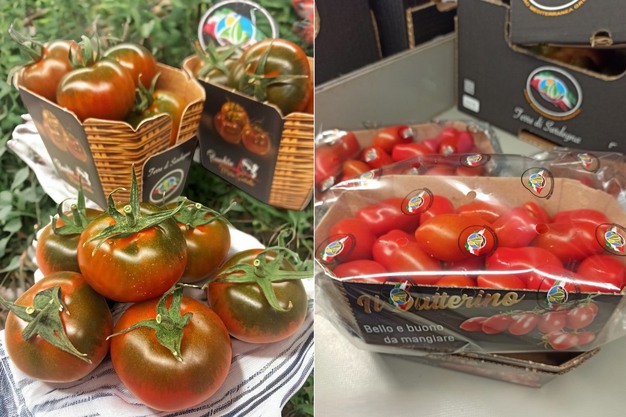
"Field analysis reveals a clear distinction between compromised adult plants and new transplants from January and February. Young plants have proven to be more resilient for technical reasons. Their smaller size allows for a much more effective preventive defense, ensuring total coverage of phytosanitary treatments while retaining less moisture than fully grown plants. A three- to four-week period is estimated for volume normalization in the tomato sector. This technical interval is necessary for the new cycles to reach commercial maturity. Until then, the pressure on prices will remain extreme."
"We are indeed seeing some crazy prices for cherry, Piccadilly, and date tomatoes. Many large-scale retail chains have outstanding orders despite their willingness to pay high prices. For asparagus, volumes are at their lowest in three years (-50%), prices are rising sharply, and demand is strong," Manca explains. "Some retailers are temporarily delisting the product, opting for a planned stock break rather than displaying prices that exceed consumers' psychological acceptability threshold."
 © AGRO MEDITERRANEA DISTRIBUZIONE SRL
"It is also important to address a common misconception. Current prices are not the result of increased gas prices. There is a time lag that consumers should be aware of. If tomatoes are sold at record prices today, it's not due to the current increase in energy costs, but rather due to a lack of product. The tomatoes currently being harvested are from autumn and winter transplants that were made at previous cost levels. The real impact of energy and diesel price increases will only be noticeable in next summer's harvest. For now, only scarcity is priced in."
The artichoke case
"For the first time in 20 to 24 years, we arrived in April with nearly empty storage facilities due to low artichoke production," Frongia says. "This shortage has turned out to be an unusual advantage. Demand from buyers is currently very low, proportionate to the product's low availability. Unlike with other crops, such as tomatoes or asparagus, where a drop in production led to drastic price increases, there were no major price hikes for artichokes. The market did not reach the expected prices in a situation of such a shortage."
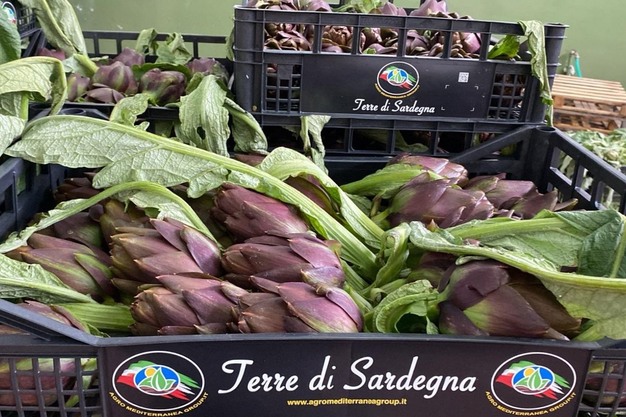
"Although production is at an all-time low, demand is surprisingly weak. This phenomenon harkens back to an unstable situation from three to four years ago, which may have discouraged customers to the point of losing their desire to buy this product altogether," explains Frongia. "The erratic weather certainly influenced the situation, but even the arrival of perfect winter weather before Easter was unable to boost consumption and revive the market. Now that the commercial artichoke campaign has come to an end, the situation will remain as is. Large-scale retailers risk permanent reputational damage to this category."
Melons and watermelons
Although transplanting is underway, farmers have had to delay planting early varieties under tunnels. This delay will inevitably result in an overlap with tissue-covered crops. However, if current weather conditions persist, there should be no major problems.
"In general, weather conditions seem to have stabilized, and production expectations are positive. We hope that the summer crops will have a successful season and that we will be able to sell adequate quantities of product at fair and equitable prices," conclude Manca and Frongia.
For more information: Andrea Manca - Sales Manager
+39 342 3390390
Agro Mediterranea Distribuzione Srl
S.P. 56 Km 0.500 Loc. Perdalba
09027 Serrenti (SU) - Italy
[email protected]
www.agromed.it