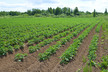
Climatic conditions in the Huánuco region, Peru, are affecting native potato production across at least six provinces due to increased pressure from pests and diseases. According to Emerson Vásquez, coordinator of the Native Potato Project, rains, frosts, and climate variability have supported the spread of issues such as late blight, requiring phytosanitary control measures under restrictions on chemical use. He noted that while some products are being applied, native potato cultivation requires limiting intensive chemical inputs.
The impact covers 237 hectares across 139 communities within the project's intervention area. The initiative operates in the provinces of Ambo, Yarowilca, Huamalíes, Huánuco, Pachitea, and Dos de Mayo, providing technical support to growers.
Preventative treatments are being prioritised to limit disease spread. Vásquez highlighted the need to act before full development of the disease in order to reduce its impact.
Despite current challenges, part of the crop continues to develop, with expected yields of 10 to 12 tons for the next harvest. The project also includes medium-term measures such as land reclamation and the development of infrastructure, including in vitro cultivation laboratories, testing centres, and greenhouses aimed at improving seed quality.
On the commercial side, efforts are underway to connect production with the Lima market and explore export opportunities, including interest from Brazilian companies in processed potatoes.
To support field operations, the Regional Government of Huánuco, through the Regional Directorate of Agriculture, has supplied 113 backpack sprayers, along with caps and vests. These inputs are allocated to demonstration modules within the Native Potato Project across six provinces and represent an investment of US$19,000.
The distribution is intended to strengthen phytosanitary management in response to pests such as late blight, to improve productivity and crop quality, while also supporting working conditions for producers and the development of demonstration plots.
Source: caretas.pe / Argenpapa