The UK's newly published Land Use Framework for England (2026) might not place greenhouses front and centre, but it marks a shift that the sector has been waiting for, Dr Sven Batke, chair of The Greenhouse Innovation Consortium (GIC), explains. "For the first time in this kind of national land use strategy, glasshouse horticulture is being recognised as part of a wider system that links food production with energy and infrastructure. That may seem like a small detail, but it reflects a broader change in how Controlled Environment Agriculture is being viewed at a policy level."
Until now, most land use discussions in the UK have focused on traditional agriculture. Greenhouses have largely sat outside that conversation, despite being one of the most efficient ways to produce food. The new framework starts to change that by focusing on how land can deliver multiple outcomes at once, including food production, energy integration, and environmental benefit.
A strong theme throughout the framework is the move towards more coordinated, spatial planning. "In simple terms, it is about putting things in the right place. For growers, this is nothing new. The sector has always worked around light, climate, and access to markets. What is changing is the growing importance of energy. The framework acknowledges that greenhouses could be better located alongside sources of waste heat, CO₂, or energy infrastructure, rather than treated as standalone agricultural units."
It also reflects a shift in how land itself is viewed. "Not every hectare needs to be used in the same way. Sites that may not be ideal for field crops, including brownfield land or more constrained areas, can become highly productive when paired with greenhouse systems. This kind of thinking is well established in countries such as the Netherlands and is now beginning to be reflected in UK policy."
There is also a clear signal on horticulture more broadly, Sven says. "Calls for a UK horticulture strategy are not new, but the framework represents one of the strongest indications yet that the government intends to develop coordinated growth plans for the sector. Crucially, horticulture is no longer being discussed in isolation, but as part of a wider land use and productivity agenda."
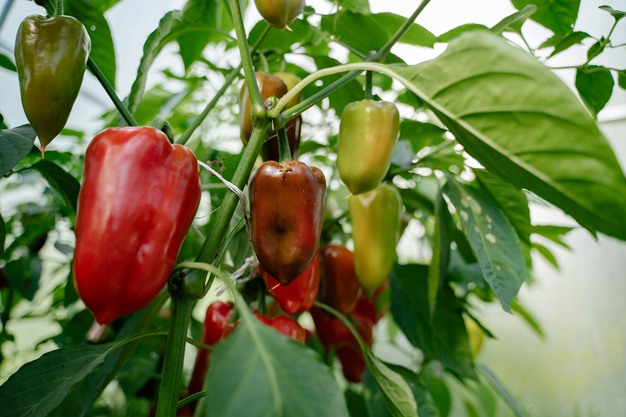 © Greenhouse Innovation Consortium (GIC)
Some of this direction reflects input from within the sector. The Greenhouse Innovation Consortium contributed to the DEFRA consultation in March 2025, highlighting the need to better integrate horticulture into land use planning alongside energy systems, infrastructure, and spatial data. The appearance of greenhouse horticulture within the final framework suggests that these ideas are beginning to gain traction.
As Sven explains, "We have been making the case for a more integrated approach for some time. What is encouraging here is that greenhouses are starting to be recognised not just as agriculture, but as part of a wider infrastructure system. The challenge now is to turn that into real projects."
The framework itself will not change planning decisions overnight, but it sets the direction for future policy, incentives, and investment. That direction matters. It influences how land is valued, how projects are supported, and how different sectors are prioritised.
Land in England is under increasing pressure, and the need to use it more efficiently is now central to government thinking. Greenhouse horticulture, while accounting for less than 0.1% of land used for food production in the UK, delivers disproportionately high yields and can integrate with wider energy systems, placing it in a strong position within this shift.
"For the sector, the message is clear. Greenhouses are no longer outside the land use debate. They are starting to become part of it."