"What comes after Cavendish?" That is a central question at Yelloway, Chiquita, and KeyGene's breeding partnership. That team presented a comprehensive banana pan-genome at the recently held Fruit Logistica. That genetic roadmap could significantly accelerate the development of disease-resistant varieties.
 © Chiquita - Keygene
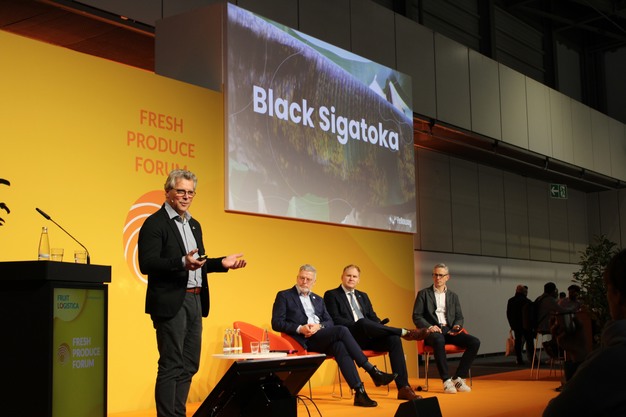
Anker Sørensen, Vice President New Business at KeyGene, says the pan-genome offers new opportunities to future-proof banana cultivation. "The banana is a universal product, but it's under severe pressure from diseases. We want to develop new varieties that diversify production and address those threats," he says.
Cavendish faces existential threat
The biggest of those threats is Fusarium Tropical Race 4 (TR4), a soil fungus that affects banana plantations worldwide. And it seems the current dominant variety, Cavendish, is particularly vulnerable. Scientific consultant, Gert Kema, outlines how dire the situation is. "Cavendish saved the sector from the Fusarium pandemic in the 1950s, which wiped out the Gros Michel variety."
"TR4 has changed all that," Gert explains. He says countries like the Philippines have already lost about half their banana acreage. Besides TR4, there is another major challenge: Black Sigatoka, a leaf fungus that affects yields and quality. It is becoming increasingly difficult to chemically combat this disease.
Disease challenges and Yelloway's role
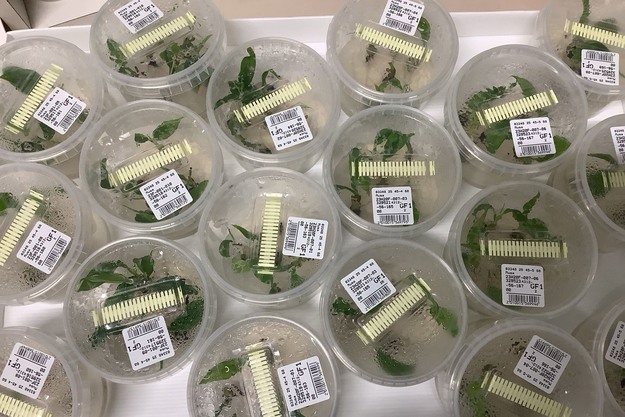
Chiquita and KeyGene, along with research institutes like Wageningen University & Research, founded Yelloway in 2020. The project combines classic breeding and advanced genomics. The new pan-genome helps researchers locate resistant genes more quickly. "Think of it like a treasure map."
"We now know where important resistance genes are located and can, thus, steer breeding in a much more targeted way," says Gert, adding that this approach accelerates a sector that has long been hampered by slow breeding cycles. "By utilizing genetic lines with natural resistance, we can develop varieties that are both commercially attractive and resilient."
 © Chiquita - Keygene
From resistance to variety
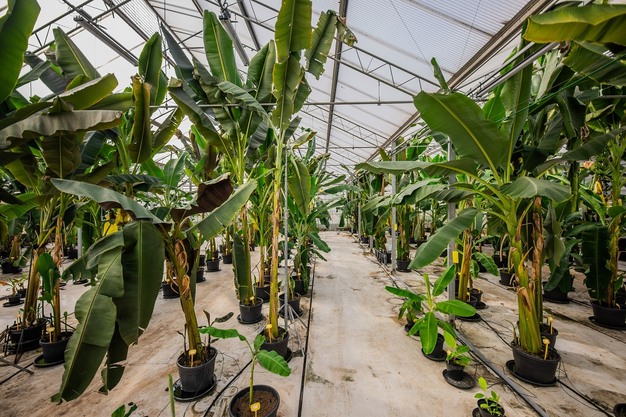
This genetic knowledge also increases the chances for greater banana diversity. "The pan-genome means we can develop varieties with different shapes, flavors, or colors. Being Dutch, I'd love to see an orange banana," says Gert. Yelloway One, a TR4-resistant prototype, is currently being field tested in countries such as the Philippines and Indonesia.
Collaboration and market integration
Peter Stedman, Sustainability Director at Chiquita, adds that new varieties must be commercially viable. "We need bananas that meet the expectations created by Cavendish: consistent quality, flavor, and shelf life."
 © Chiquita - Keygene
The ultimate goal is a TR4-resistant replacement for Cavendish that can be integrated into existing chains. The partners hope to introduce varieties that are ready for commercial cultivation by the end of this decade.
"Searching for these resistant genes is like hunting for treasure. The pan-genome has finally revealed the map to us," Anker concludes. (JG)
For more information:
Chiquita Brands
[email protected]
www.chiquita.com
Keygene
Agro Business Park 90
6708 PW Wageningen
Tel: +31 (0)317 466 866
[email protected]
www.keygene.com