In modern horticulture, weed control and soil management remain fundamental challenges in both protected and open-field crops. In this context, permeable ground cover solutions are gaining traction for their ability to improve soil conditions while reducing weed competition.
Laurent Duvergey, from Ademar, importer and distributor for Europe's leading ground cover manufacturer, explains that these covers represent a technical alternative to traditional weed control methods. "Ground cover tends to be associated exclusively with greenhouse use, but it actually has tremendous potential in open-field crops as well," he says.
 © Ademar
Permeability as the main advantage over plastic
Unlike conventional plastic mulch or certain lower-quality ground covers, woven ground cover is defined by its ability to let water and air pass through. This property is key to maintaining soil balance and supporting root development.
"What really makes the difference is permeability. The cover allows water and air to pass through the fabric, preventing the soil from suffocating or drying out," Duvergey explains.
This permeability makes it possible to maintain more stable temperature and humidity conditions in the soil, reducing the sudden fluctuations that can damage root systems.
Alongside permeability, mechanical resistance is another key attribute of the material. "Thanks to the additive composition and high-quality UV treatments, ground cover offers exceptional durability and strength," he adds.
 © Ademar
A tool for improving soil conditions
The use of permeable ground covers does more than control weeds. It also delivers additional agronomic benefits, including reduced soil erosion and the prevention of fertilizer and agrochemical runoff.
"The cover creates a more stable environment for the root system. It protects roots from extreme temperature swings and maintains a more balanced moisture level," Duvergey explains. "And by blocking weed growth, it reduces competition for available nutrients. This allows cultivated plants to make better use of soil resources."
 © Ademar
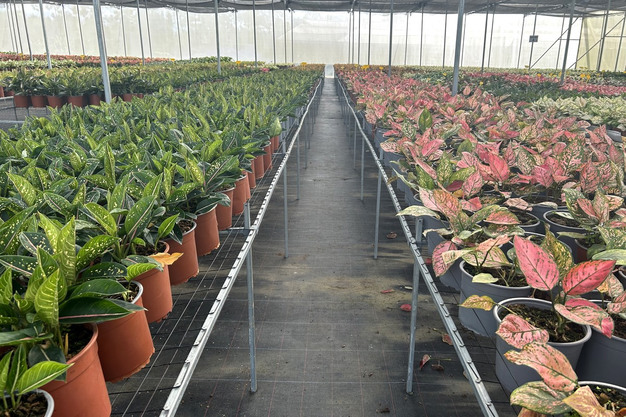
"There are four main methods for controlling weeds in crops: herbicides, mechanization, plastic mulch, and permeable ground covers, but not all of them are equal," he says. "Herbicides can contaminate the soil, mechanization carries high labor costs and can damage plants, and plastic mulch is neither permeable nor as durable. Ground cover combines durability, permeability, and economic viability."
 © Ademar
Applications in greenhouse and open-field settings
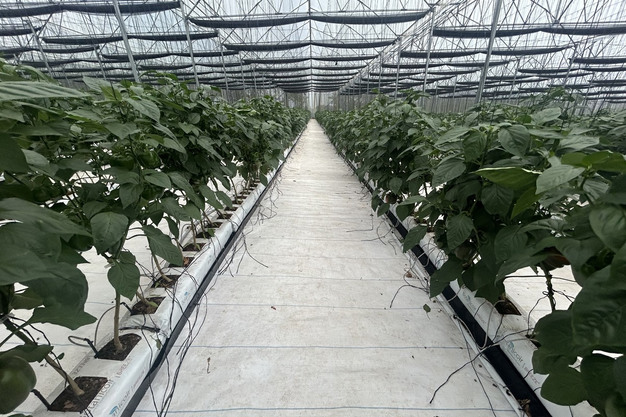
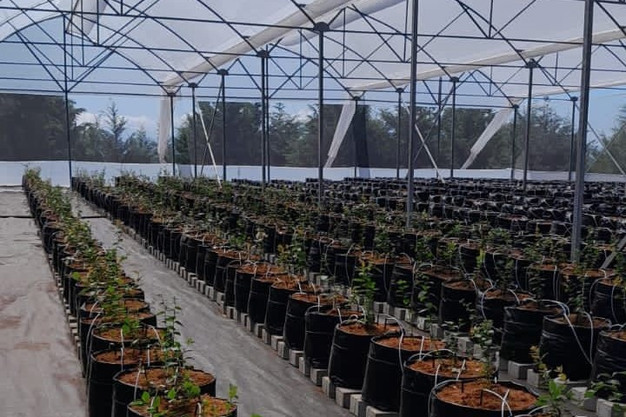
In protected crops, ground cover is commonly used in different formats, including black, white, and black-and-white. The white version reflects light inside the greenhouse, which can support plant development, while the black version offers greater mechanical resistance. "We develop many greenhouse applications with these formats, adapting to the needs of each crop," Duvergey notes.
 © Ademar
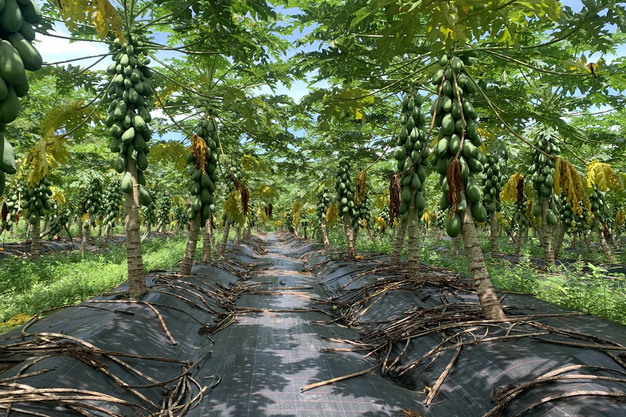
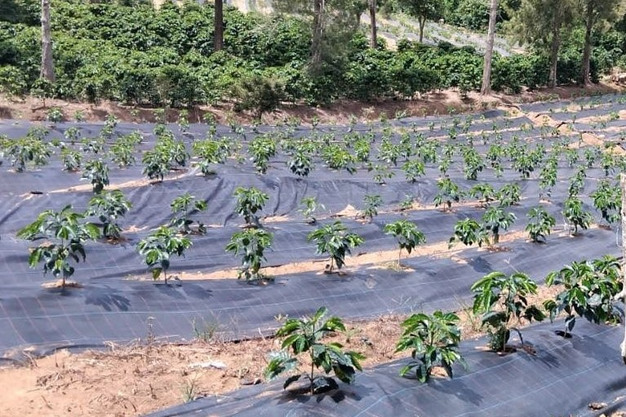
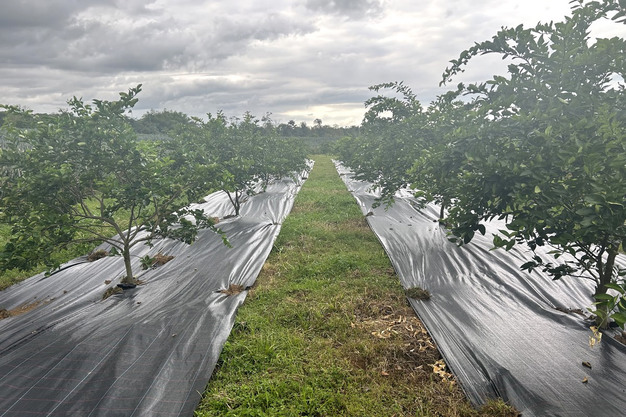
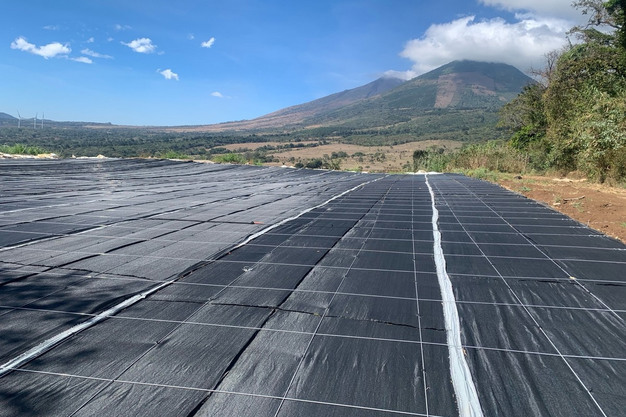
Ground cover use is also expanding into open-field settings. Trials have been conducted in tropical and subtropical crops such as papaya, mango, citrus, and avocado, where weed control can be particularly complex. "We are also using it in crops like coffee and ornamental plants, and even to cover reservoirs," he adds.
 © Ademar
Another emerging application for permeable ground cover is in hydroponic systems and berry crops, where it helps manage drainage and keep facilities cleaner. In some cases, the material is also used in combination with tensioned Bayco cable systems to cover water reservoirs cost-effectively, protecting them without restricting air and water circulation.
 © Ademar
For Duvergey, this solution reflects a broader evolution in how growers manage soil and the crop environment. "Ground cover has far more applications than it has traditionally been given credit for, and the expansion of our sales across Latin America and Central America confirms that," he concludes.
For more information:
Ademar
Tel: +506 6333 4999
[email protected]
https://ademar.lat/