The West African origins of mangoes are under particular scrutiny this season, due to the "high number of cases of non-compliance with Tephritidae" (fruit flies), an organism subject to quarantine in the European Union. Mango interprofessions in the region are alarmed and anxious to avoid an embargo on their mangoes in the European Union, an outcome that occurred at the end of the 2025 season for Malian origin.
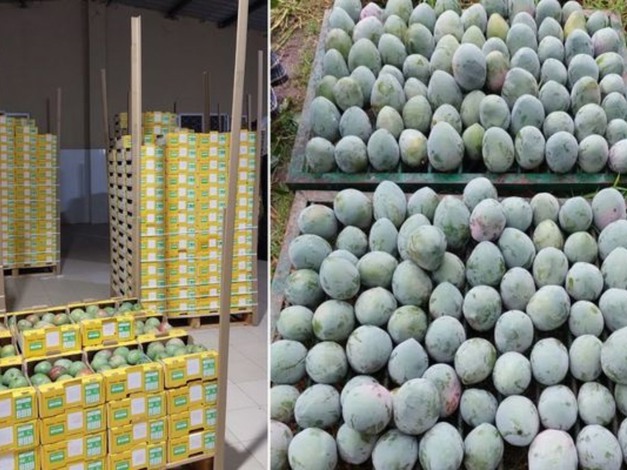
Senegalese mangoes, the latest in the West African sub-region, are not exempt. In February 2026, the Directorate-General for Health and Food Safety, acting under the European Commission, addressed a letter to the cabinet of the Prime Minister of Senegal requesting "a significant reduction in the presence of fruit flies" and went so far as to emphasize that "enhanced surveillance will contribute to maintaining good relations between the European Union and Senegal in the mango trade," brandishing, in the same letter, the possibility of a temporary ban on exports of mangoes and/or other fruits from Senegal to the EU.
According to Aminata Dominique Diouf, from Domaine Agricole du Nema, the mood among producers is rather grim. She explains: "The European Commission's letter has caused panic among producers, and everyone is hoping to avoid the scenario that unfolded in Mali at the end of the previous season, as well as in Guinea. The coming season will be exceptional and complicated, as the entire sector and the image of Senegalese origin will be under the spotlight."
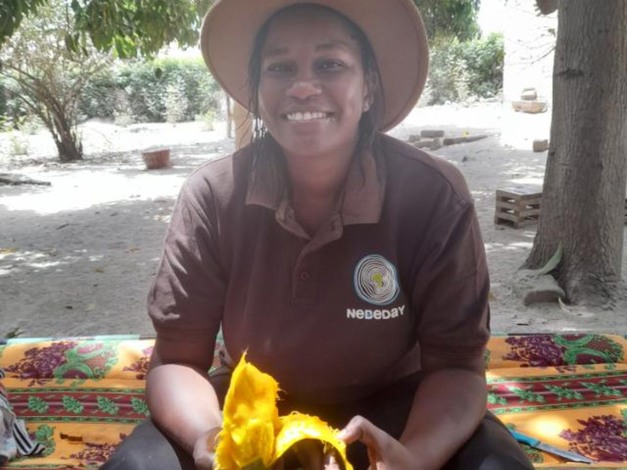
Aminata Dominique Diouf
Concerns about fruit flies are nothing new, according to the producer. She adds, "The problem has existed for years. There are irreproachable and scrupulous actors who make enormous efforts in terms of production, selection, and packaging to avoid complaints. Other growers, on the other hand, are lax. Yet we are all in the same boat; the number of shipments intercepted has continued to rise, reaching more than 30 last season and raising the suspicions of health authorities."
The grower is calling for greater caution and stricter standards among producers, first to avoid an embargo on Senegalese mangoes, and ultimately to contain the fruit fly issue. "Significant efforts have been made, such as the distribution of fly traps last season. Producers and exporters must make efforts on their own initiative to tackle this problem and, above all, comply with the strictest standards in terms of selection and packaging, as the issue persists in many farms. The European Commission, in our main market, has made it clear that it has a zero-tolerance policy towards fruit flies."
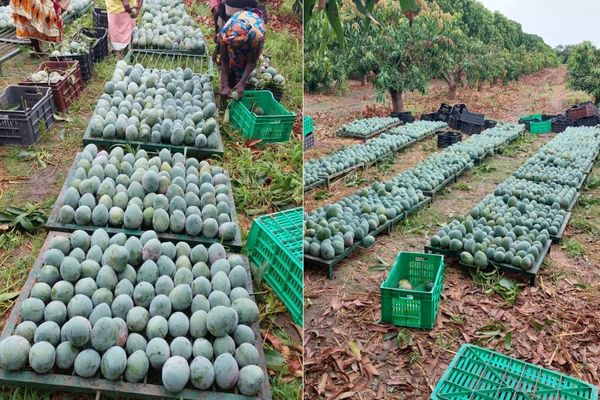
On the production side, things are progressing well, according to Diouf: "In the center of the country, the region with the earliest harvest, we have passed the flowering stage and the fruit is growing. The season looks promising, and we anticipate good results, although the situation will be clearer in April."
West African mangoes will hit the market as soon as mid-March, with shipments from Côte d'Ivoire, at a time when demand is high due to poor performance by Latin American origins this season. Diouf comments: "West African mangoes are awaited on the market this season, and we anticipate strong demand until the summer, with the arrival of Senegalese mangoes. This means we can emerge from this delicate situation with a rewarding market and an enhanced image."
For more information:
Aminata Dominique Diouf
Domaine Agricole du Nema
Tel: +221 77 480 42 32
Email: [email protected]