The Peruvian mandarin market is currently stable, with more focus on consolidation than on expansion. Miguel León Inurrietegui, CEO of Fundo El Paraíso and CPF producer in Peru, explains that there haven't been any major new plantations or large projects in recent years.
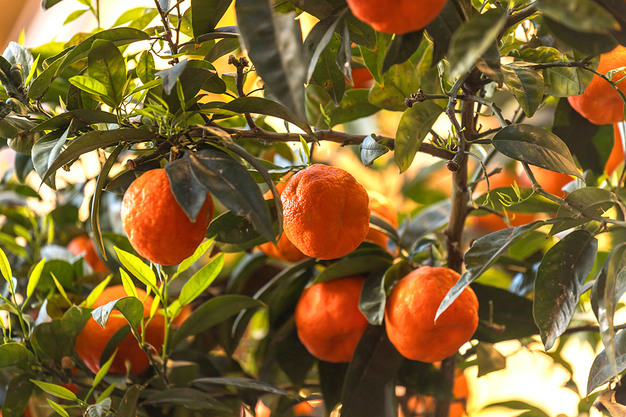
"There are no new, large, or medium-sized projects; essentially, there are none," he stated. According to the grower, the sector's growth has slowed, and the planted area remains practically unchanged. The predominant varieties are still Tango and W. Murcott, with Primosole to a lesser extent. In contrast, tangelo has been pushed to the background: "There's a very small market for tangelo where the growers that produce it sell it, but there are no new areas."
 © Tobias Arhelger | Dreamstime
The 2026 season is already showing early signs of progress, with varieties such as Satsuma (Okitsu and Owari). Clementines are set for harvest in April. Aside from the production schedule, the focus stays on international competitiveness.
León Inurrietegui emphasizes that consistency is a key trait of Peruvian produce. The seriousness of Peruvian product deliveries and compliance with international certifications are vital factors, he added. Buyers can trust that the fruit they receive meets the same safety standards required by European markets. This reliability has helped Peru establish itself as a dependable supplier in the Southern Hemisphere.
"The citrus market is not experiencing much growth. It has stabilized, indicating a mature market," he notes. Unlike crops like blueberries, which see rapid annual expansion, mandarins exist in a more stable supply-and-demand environment.
The strategy, therefore, focuses on enhancing productivity and quality in the field rather than increasing surface area. "We need to boost productivity and quality in the field to achieve better yields," he emphasized.
The external environment brings some unpredictability. If winter temperatures are warmer, the coastal El Niño event could impact the season. "Citrus fruits develop more color when it is cold," he stated. Reduced cold accumulation might affect fruit coloring and possibly the next year's yield. However, he warns that these are still climate predictions: "We won't know how severe it will be until the season begins."
Additionally, commercial and political factors like logistical costs, tariffs, and Peru's electoral climate are causing uncertainty in the sector. Consequently, the Peruvian citrus industry is proceeding cautiously, focusing on stable production and ongoing improvements to maintain its market position.
For more information:
Miguel León Inurrietegui
El Paraíso Estate
Peru
Email: [email protected]