Ukraine confirmed its status as the world's largest exporter of frozen raspberries in 2025, and export expansion will remain the main growth driver for the fruit and vegetable sector in 2026 amid stagnating domestic consumption, said Taras Bashtannyk, president of the Ukrainian Fruit and Vegetable Association (UPOA).
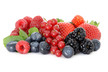
Speaking at the "Profitable Agribusiness 2026" conference, Bashtannyk said Ukraine has led global raspberry exports for two consecutive years. For the 2025 season, exports are expected to total around 80,000 tonnes, compared with 65,000 tonnes in the previous season, with further growth potential remaining.
In blueberries, production is rising by 15–20% annually. Domestic consumption has reached a ceiling of around 10,000 tonnes, meaning further development depends on exports. Ukraine currently exports 8,000–10,000 tonnes, while global leaders such as Chile and Peru supply up to 400,000 tonnes annually to international markets.
Bashtannyk said low-priced fruit and vegetables should not be expected in 2026, arguing that the phase of low-cost production globally has ended. Ukraine remains competitive mainly due to lower costs than those of EU producers.
High profitability of certain crops in previous seasons, in some cases up to 700% above cost, encouraged rapid expansion of planting areas without sufficient market analysis, contributing to price declines for staple vegetables in 2025. The risk of oversupply in carrots and beetroot in the coming season will depend on spring sowing decisions.
A shortage of both skilled and unskilled labor will be a key constraint, potentially requiring full mechanization or the recruitment of foreign workers. Producers are also expected to face extreme weather, from drought to heavy rainfall, requiring increased investment in irrigation and crop protection.
With costly and time-consuming logistics, particularly to Middle Eastern markets, success in 2026 will depend less on harvest volumes and more on securing export sales, Bashtannyk said.
Source: interfax.com.ua