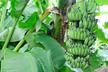
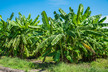
The Philippines is moving to comply with Australia's import requirements following the launch of a formal assessment process covering locally produced bananas. Australia's Department of Agriculture, Fisheries and Forestry is reviewing alternative biosecurity measures for fresh Cavendish bananas after a request from the Philippines.
Bureau of Plant Industry Director Gerald Glenn Panganiban said the Australian government is "open to receiving" banana exports, although no timeline has been provided for potential market access.
"We are pushing for a holistic way [of] sanitizing our farms, implementing our Philippine Good Agricultural Practices and following our protocols before export," Panganiban said.
The assessment focuses on biosecurity risks identified in the 2008 import risk analysis for Philippine bananas. DAFF is evaluating alternative measures to manage the three pathogens highlighted in that report. These include Moko, black Sigatoka, and banana freckle.
The review also covers the Philippines' request to include the cultivar Formosana as an additional export variety and Davao de Oro as an additional production origin. DAFF will reassess the 2008 import risk analysis to determine whether pest risk evaluations remain appropriate and whether new risks have emerged.
Australia reiterated its position on biosecurity standards. "We will only agree to alternative measures if our assessment concludes the measures effectively manage the biosecurity risks to achieve Australia's appropriate level of protection," DAFF stated.
The ongoing process reflects a regulatory pathway in which exporting countries must demonstrate compliance with importing countries' biosecurity frameworks through documented production, sanitation, and phytosanitary protocols.
Source: Inquirer