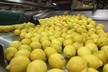
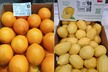
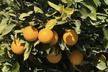
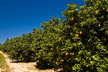
According to Juan Pablo Durán, a commercial executive at Exportadora El Parque, the Chilean citrus season is set to start in April, with uncertain volumes and a market impacted by tariff pressures in the United States, as well as unique opportunities in Europe and Asia.
 © El Parque
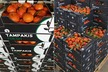
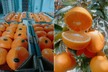
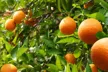
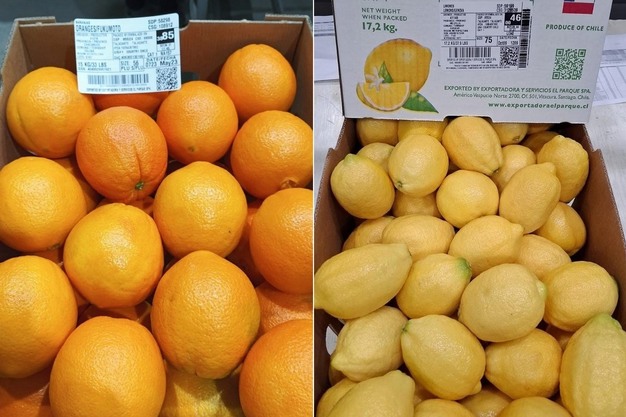
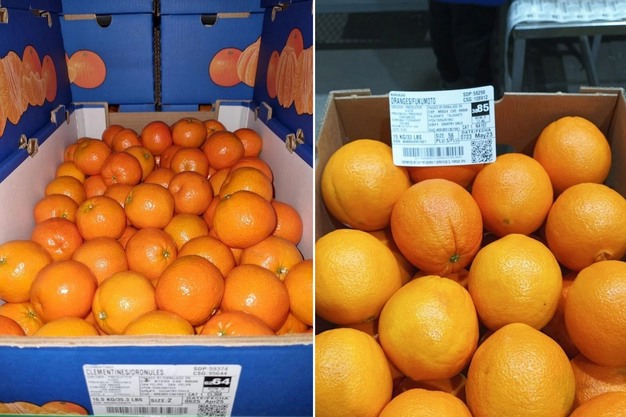
Exportadora El Parque, with twenty years of experience, ships around 1,800 containers each season, including clementines, mandarins, lemons, grapefruit, and oranges. The United States is the main destination for mandarins and oranges, while Japan is a key market for lemons. "It has been complicated," Durán said, referring to the impact of the 10% tariff in the United States. Prices have increased slightly, but not enough to cover the 10% tariff, which directly affects growers, he emphasized.
"In the American market, typical values range from $7,000 to $7,500 per container, roughly $5 per box (15 kilograms), depending on the category. Logistics stayed stable last season, with transit times of 18 to 24 days to both the east and west coasts," he stated.
 © El Parque
For 2025, the company expects similar lemon and orange volumes, with an early harvest of 7-10 days. Mandarins may experience a 15-20% decline in central-southern Chile after a high-volume season," he said.
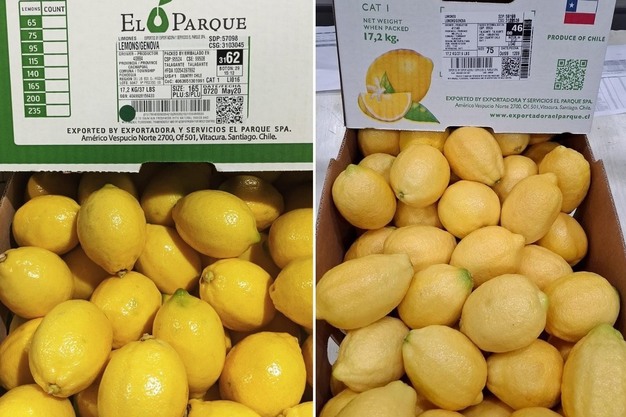
Europe, usually supplied by Spain, South Africa, and Argentina, opened a late window for Chilean lemons last year due to production issues in the Mediterranean and earlier shipments from South Africa. "Last year, there started to be a shortage of lemons in the market in the late part of the season, which opened a window for Chile," Durán explained.
 © El Parque
That opportunity might happen again this season. The company mainly uses the Netherlands as a hub to distribute to Spain and Italy. "In the European market, Chilean lemons, mostly the Genoa variety, are sold in 15kg boxes, usually priced between 24 and 27 Euros, with peaks reaching 30 Euros and lows around 20 Euros. It is important to regularly analyze sales prices to see if they are feasible for growers considering our costs," he cautioned.
Durán highlighted that the quality standards expected by the European market are similar to those in the United States. "There is no significant difference," he noted, despite differences in packaging formats and the lack of PLU labeling.
 © El Parque
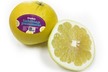
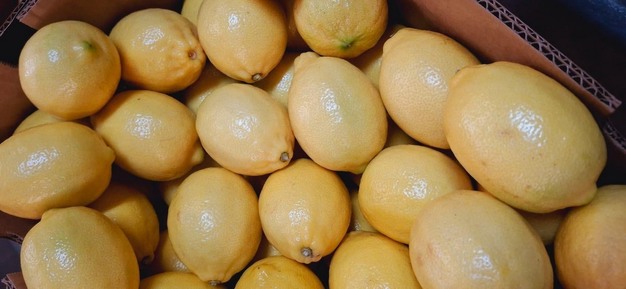
Japan is strengthening its position as the second-largest market for Chilean lemons. In Japan, lemons are mainly consumed with tea, but they are also used in drinks and salads. New presentation methods are emerging across Asia; for example, "Sliced lemons are being used a lot in Asia in whisky cans," Durán said, as a means to add freshness and stand out.
Seedless lemons have gained ground in the U.S., but they "have not been as successful as expected," he added.
 For more information:
Juan Pablo Durán
Exportadora El Parque
Chile
Tel: +569 8500 3242
[email protected]
www.exportadoraelparque.cl