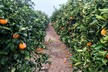
Citrus exports from Sargodha district in Pakistan have increased during the current season, with more than 97,000 metric tons shipped so far and total exports expected to exceed 120,000 metric tons by the end of the season, according to figures shared at a recent review meeting.
The update was provided during a review of the Citrus Revival Program initiated under the administration of Maryam Nawaz Sharif. The meeting was chaired by Hussain Ahmed Raza Chaudhry, Deputy Commissioner of Sargodha, according to a statement issued on Monday by Associated Press of Pakistan.
Officials attending the meeting included representatives from the provincial agriculture department, the Citrus Research Institute, market committees, and industry offices. The discussion covered citrus production levels, quality requirements, export performance, and the availability of support measures for growers.
According to information presented, around 70 per cent of Sargodha's citrus crop has already been marketed this season, with no reported market disruptions. Officials stated that production levels remained stable, while farm-gate prices ranged between Rs 1,500 and Rs 1,700 per maund. They also reported a higher proportion of exports meeting premium quality specifications, increasing from 30 per cent in the previous season to 50 per cent this year.
The Citrus Research Institute briefed participants on supply chain stages from orchard to export and noted the introduction of 60 new citrus varieties that meet international market standards during the current season.
Production data shared at the meeting showed total citrus output at 2.6 million metric tons last season. Output for the current season is expected to exceed 3.0 million metric tons, based on ongoing harvest and marketing trends.
Deputy Commissioner Hussain Ahmed Raza Chaudhry directed relevant departments to expand the use of digital communication tools to reach growers more effectively. He said extension staff and researchers should use social media platforms, video channels, live online sessions, and mobile applications to share guidance with farmers, particularly those in remote locations.
The meeting concluded with a review of coordination between research bodies, market authorities, and local administration to support citrus production and exports during the remainder of the season.
Source: APP