The Regional Ministry of Agriculture confirmed on Friday during a sector meeting that the Citrus Yellow Vein Clearing Virus is present in citrus fruits in the Valencia Region, as La Unió Llauradora had announced a few days earlier.
The Regional Ministry's 62 random crop field surveys have confirmed 22 positive cases across localities in the three provinces, affecting nearly all citrus species, particularly in plantations and young shoots.
 © La Unió
Citrus yellow vein clearing virus (CYVCV) is a potexvirus. Its confirmed presence in the Valencia Region and Catalonia indicates the pathogen has entered Spain and poses a real risk of regional spread, particularly through the movement of plant material and the existence of ornamental citrus in non-commercial environments.
The citrus sector's strategic importance in the Valencia Region requires proactive measures against potential phytosanitary risks that could threaten plant health, farm viability, and the safety of the production system.
The risk is not limited solely to commercial plantations but also includes ornamental citrus, nurseries, and plant material overall, which can serve as pathways for the entry and spread of the pathogen.
From a technical perspective, CYVCV can infect several citrus species, mainly lemon, lime, and bitter orange. It can also infect other citrus types, such as orange and mandarin trees, which often show no symptoms and serve as reservoirs for the pathogen. Scientific studies have confirmed that it is transmitted by aphids and whiteflies, as well as through grafting and the use of contaminated pruning tools.
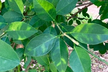
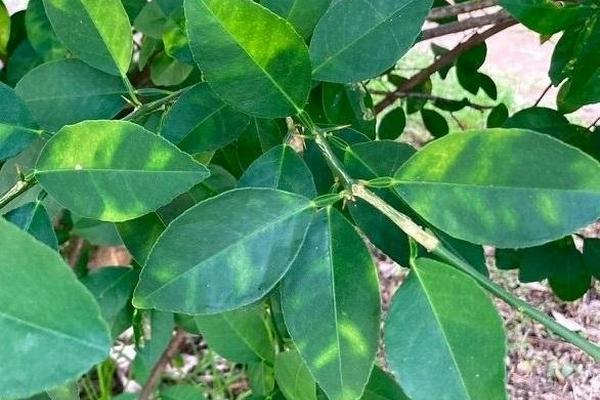
Its symptoms can be mistaken for other physiological changes or nutritional deficiencies. They include a noticeable yellowing of the veins, deformities in leaves and fruit, and, in severe cases, a significant reduction in both yield and quality.
La Unió is requesting aid from the Regional Ministry for nurseries to improve biosecurity measures. It also asks for the creation of a dedicated aid line or other support methods for growers with current or potentially affected plots. This support could include compensation for losses, mandatory uprooting, plant replacement, or restrictions on production resulting from official measures.
"Based on what we've been told today, it is clear that we are in an early stage, that the disease is quite unknown, and that the risk is relatively low across most of the citrus-growing areas, especially for orange and mandarin trees, and higher for lemon trees," declared Carles Peris, La Unió's Secretary General, last Friday.
 For more information:
Carles Peris
La Unió
Tel: +34 658 92 89 23
Email: [email protected]
https://launio.org