The South African deciduous fruit industry has intensified engagement with Transnet and is considering formal legal remedies following continued operational problems at the Port of Cape Town.
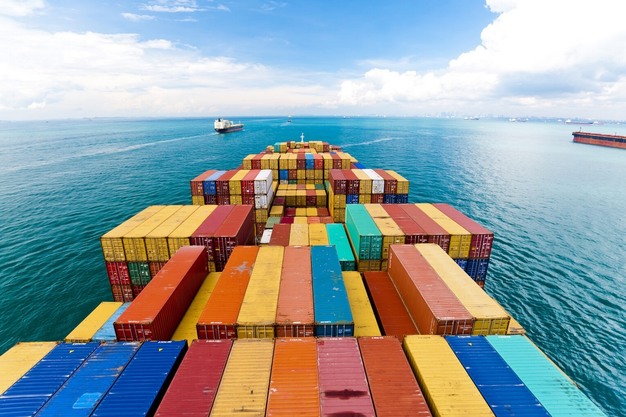
The escalation follows sustained underperformance at the Cape Town Container Terminal (CTCT) since the start of the season, which is disrupting export flows and affecting producer income. Hortgro is currently quantifying direct and indirect losses linked to fruit arriving in markets in poor condition, price discounts, additional costs from diverting cargo to alternative ports, and the use of conventional vessels.
 © Hortgro
While the industry acknowledges the efforts of operational teams working under difficult conditions, the scale and persistence of the problems point to underlying structural weaknesses rather than isolated incidents or short-term factors such as adverse weather.
The fruit sector has engaged with Transnet and port management over many years, including a deliberate focus on resolving issues through operational channels rather than media engagement. Despite these efforts, terminal productivity has not returned to reliable levels. This is despite recent equipment investments following a prolonged period of limited capital expenditure and performance assurances provided ahead of the season. Global benchmarks for container terminals range between 25 and 30 gross crane movements per hour, while CTCT continues to operate below 20.
Since the start of the 2025/2026 deciduous fruit export season, direct losses are estimated at more than R350 million, with further exposure accumulating as delayed vessels arrive at destination ports. By Week 2 of the season, export volumes were down 9% year to date, while inspection volumes increased by 37%. This resulted in a backlog of approximately 1,688 containers in cold storage, equating to about R1 billion (US$54 million) in fruit inventory at risk, excluding additional volumes held at back-of-port facilities.
Exporters have diverted shipments through alternative ports at elevated cost. Volumes routed via Port Elizabeth increased by 140%, with additional transport costs exceeding R133 million (US$6.8 million). Around 900 reefer containers were sent through Durban, while roughly 1,200 containers were routed via Walvis Bay, excluding penalties related to truck standing time, additional cold storage, agent fees, and quality claims.
Industry analysis has identified five interconnected areas contributing to CTCT's underperformance: labour and human resource management, health and safety governance, equipment and infrastructure reliability, operational execution and control, and communication and accountability. These findings have been formally communicated to Transnet as part of the escalation process. While some improvement has been noted, the impact has come too late for much of the stone fruit export season.
Industry representatives indicate that continued losses at the current level are not sustainable without a material improvement in terminal performance.
 © HortgroFor more information:
Hortgro
Tel: +27 (0) 21 870 2900
Email: [email protected]
www.hortgro.co.za