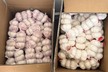
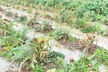
The current garlic market remains generally oversupplied, with prices hovering near the break-even level. Although international demand is relatively stable, weak domestic consumption and heavy inventory pressure continue to weigh on the overall market outlook.
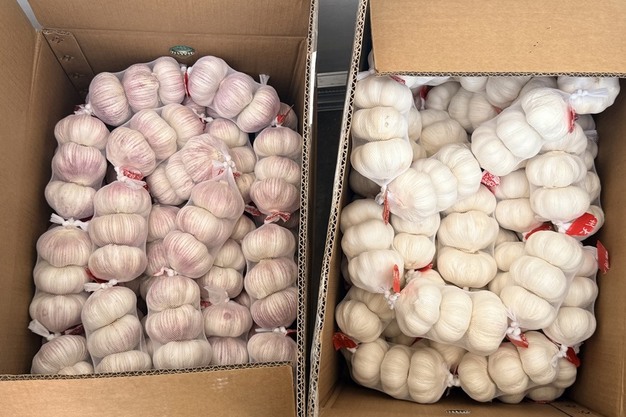
Shandong Good Farmers Co., Ltd. mainly produces garlic, ginger, and potatoes, with garlic serving as the company's core export product. According to Breeze, a company representative, Shandong Good Farmers exported more than 300 containers of garlic this year, totaling over 10,000 tons. "From the international market perspective, overall demand is relatively stable, but prices remain at a moderate to low level. In contrast, domestic demand is noticeably weaker, particularly due to reduced purchasing from the catering sector," Breeze said.
 © Shandong Good Farmers
In terms of export destinations, the company's main markets include Eastern Europe, the Caribbean, and the Middle East, while also supplying North and West Africa. Breeze noted that while the broader international situation has had a limited impact on the company's overall exports, fluctuations in individual markets have been significant. "For example, supermarket clients in the Ukrainian market previously shipped one to two containers per week, but now they ship less than one container per month."
Logistics conditions, particularly disruptions in the Red Sea, have had a substantial impact on shipping efficiency and costs. Breeze explained that transit times on Red Sea routes have increased considerably. "Taking Tunisia as an example, the transportation cycle used to be just over one month, but it has now extended to two to two and a half months." At the same time, ocean freight rates have fluctuated sharply. "Recently, freight rates on routes bypassing the Red Sea exceeded $6,000 per container, but have since fallen back to around $4,000. It has also been reported that container availability may be tight in March, which could push freight rates lower."
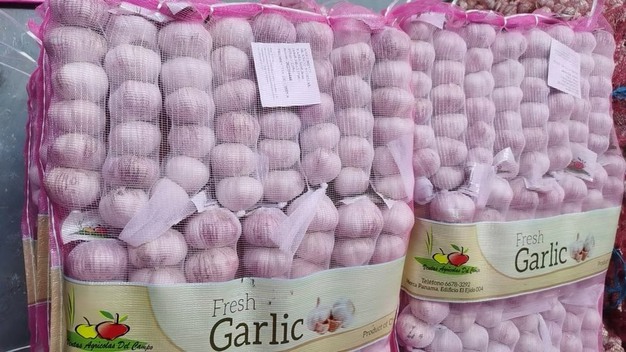
In terms of pricing, the garlic market has remained relatively stable overall, but profit margins are extremely thin. Breeze noted that the current purchase price of garlic is approximately ¥4.6–4.8 per kilogram (about US$0.029–0.031 per kg). After accounting for processing, storage, and logistics costs, the selling price is around ¥5.4 per kilogram (about US$0.034 per kg), essentially at break-even or even slightly loss-making. "At present, there are virtually no meaningful profits across the industry," he added.
 © Shandong Good Farmers
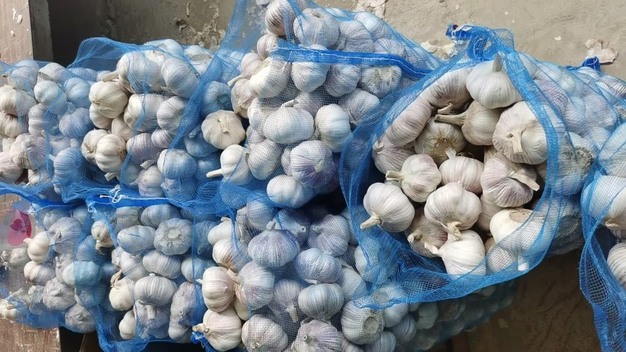
From a supply-and-demand perspective, inventory pressure remains the core issue. Breeze explained that under normal circumstances, garlic is harvested in late May, with fresh summer garlic sold from June to August. Once temperatures cool in September, garlic is placed into cold storage, with sales continuing through April of the following year. "At this point in the season, sales of stored garlic are already more than halfway complete, yet national inventory levels remain at around 2.9 million tons."
"At this stage of sales, the inventory should be around 1.5 million tons, but it is currently significantly higher, and the market's oversupply situation is unlikely to change in the short term," Breeze pointed out. With prices nearing the break-even point, market participants are generally unwilling to purchase in advance, exhibiting a strong wait-and-see attitude.
 © Shandong Good Farmers
Looking ahead, Breeze expressed a cautious outlook for the market. "If inventory levels cannot be effectively reduced, garlic prices may face a sharp decline after the Chinese New Year, placing considerable pressure on both domestic sales and exports. Overall, given the high inventory levels and weak demand, the garlic market will continue to face adjustment pressure in the short term, and price trends remain uncertain."