While Tunisia's date harvest reached a record high this season with 404,000 tonnes, including 347,000 tonnes of the iconic Deglet Nour variety, Tunisian exporters have been surprised by the enforcement of import quotas on their main market, Morocco.
Ghazi Rouissi, CEO of House of Dates, describes a paralyzed situation: "We started the season with great enthusiasm after the improvement in production. However, we were surprised by the reactivation of an old Moroccan regulation on date import restrictions, which was communicated to us on December 24. The situation is now at a standstill."
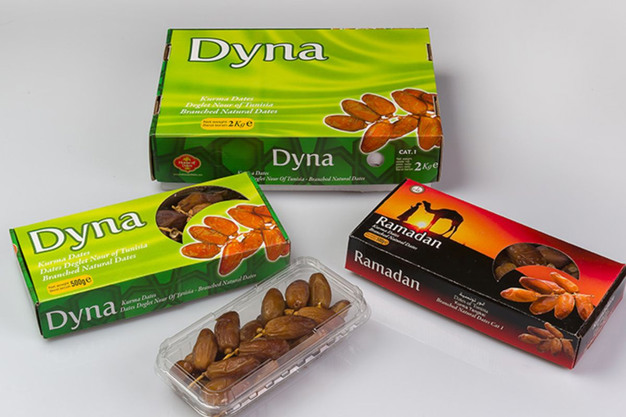 © The House of Dates
According to Rouissi, the reactivation of quotas came at a time when large shipments of Tunisian dates were already in transit. He continues, "Nearly 15,000 tonnes of dates were stuck at the port of Casablanca. The shipments were then cleared in dribs and drabs, starting with those for which exporters had already received advance payments, followed by shipments ordered before December 24, and then the rest. At present, there are no deliveries to Morocco."
This situation arises amid an improvement in Moroccan production, with growers reporting a major increase in date volumes compared to the previous season, thanks to favorable weather.
Rouissi advocates preferential treatment for Tunisian dates on the Moroccan market. He argues, "First, I want to make it clear that the Moroccan authorities have the right and justification to reinstate quotas to protect domestic growers. It's mainly the abrupt way they were implemented this year that was brutal. It would have been better if we'd had time to prepare and scout other markets."
Besides, I think Tunisian dates deserve preferential treatment. Deglet Nour is undoubtedly the most popular imported variety among Moroccan consumers and the most sought-after during Ramadan. This variety is not grown in Morocco, and it is other varieties from competing origins such as Egypt, Saudi Arabia, and Jordan that are similar to Moroccan dates and directly compete with Moroccan production," Rouissi adds.
The grower continues, "The good trade relations between Tunisians and Moroccans are historic and go back a long way, to the point that many families in both countries depend on the date trade for their livelihood. In Tunisia, small-scale growers and exporters rely on the Moroccan market for an overwhelming majority of their volumes, and the same is true for Moroccan importers, who have been adversely affected this year. Although national interests come first, I believe that the implementation of import restrictions should and can take these social and economic factors into account."
Morocco is the second largest date market in the world, with imports amounting to 109,000 tonnes in 2024, 25% of which came from Tunisia. From Tunisia's perspective, Morocco has historically and regularly been the leading export market for dates, absorbing 22% of exports during the 2024/2025 season.
For more information:
Ghazi Rouissi
The House of Dates
Tel: +21620305240
Email: [email protected]
www.thehouseofdates.com