Earlier this month, the decision was finalized in Prince Edward Island (PEI) to not form a proposed wild blueberry marketing board. This follows a meeting with the PEI Marketing Council to decide what the recommendation should be regarding the formation of such a board.
 © PEI Wild Blueberry Growers Association
While generally, a 60 percent threshold has been used for Marketing Council plebiscites, the council decided that the vote count for the wild blueberry plebiscite should have a threshold of 55 percent–anything less would create uncertainty. Ultimately the vote support came in from the province's 139 wild blueberry growers at 52.87 percent which did not meet that threshold.
This is the second time that such a marketing board for wild blueberries was proposed in PEI. As JoAnn Pineau, the executive director of the PEI Wild Blueberry Growers Association notes, the transition to a marketing board was initially proposed in the organization's previous strategic plan in 2020. A vote then did not pass with only 43 percent in favor.
Revisiting the idea in 2024
The idea was resurrected again in 2024. "At the annual general meeting, the majority were in favor of pursuing it. So we held three grower consultation sessions last year and based on the feedback from that, we developed a final marketing plan that was put to a vote in November of 2025," she says, noting that that plebiscite resulted in that 52.87 percent result.
The drive behind this initiative is due to the volatility in prices received by growers in a province with only two major blueberry processors. "That average unit price growers have received has been consistently well below the documented cost of production over the last decade," says Pineau. "When you pair that with a lack of transparency into the reasoning behind those prices, it results in growers wanting to change their business models and shift the power dynamic."
 © PEI Wild Blueberry Growers Association
While better transparency in pricing would be one of the benefits of forming such a board, and seeing the success of other marketing boards in the province–oysters and blueberries are the only commodities without a marketing board in the province–the drawbacks for growers would be the inherent risk in implementing such a change.
"It's also a complicated transition," says Pineau. "We really tried to communicate the details in clear and user-friendly ways but some growers were still uncertain about this change and what it would mean for their operations. With this process, there are procedures you don't put in place until the marketing board is formed, such as a negotiation process, and that did scare some growers." On top of that, many growers already have long-standing financial arrangements with the processors they ultimately sell to and were hesitant to jeopardize those relationships.
Next steps for PEI blueberries
Moving forward, in the short term for the organization, following a consultation with legal counsel to ensure that the decision was soundly made and no appeal is in order, it will continue on with its current work of production research, promotion and more. However, learnings have come out of this process.
 © PEI Wild Blueberry Growers Association
"It really showed us that more than half of our growers are looking for a new way to do business," she says. "So we're going to start doing more in another direction, such as exploring alternative options like new types of markets such as low input markets or international opportunities."
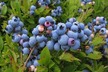
It also comes amidst efforts to maintain the province's wild blueberry industry. Last year, PEI produced 21.3 million lbs. of wild blueberries from a production base of around 6000 acres. "That is down from recent years," says Pineau. "With the prices low, some of the land is transitioning into potato land. It's too bad because wild blueberry land can take decades to build up to a really great crop. We're discouraged by that and we're trying to avoid that."
 For more information:
JoAnn Pineau
PEI Wild Blueberry Growers Association
Tel: +1 (902) 368-7289
https://peiwildblueberries.com/