Citrus growers in Fresno County are reporting fruit damage during the current season, with extended periods of tule fog cited as a contributing factor. The conditions have persisted for several weeks across California's Central Valley.
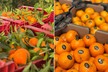
Eric Schmidt of Ess Farms said this season differs from previous years. "We've had frost. We've had floods. We've had drought, all these different things, but we've never seen what we're seeing. At least I haven't," he said. According to Schmidt, grapefruit and blood oranges show surface scarring and blemishes, with increased fruit drop observed across affected blocks.
Schmidt said the symptoms resemble those typically associated with ice storms, despite no such events occurring this season. Instead, growers have faced prolonged fog since December, when the first extended fog period set in. "In the summer, we put sunscreen on the trees to protect them from the hot weather. We didn't do that, and nobody knows if that would work, but we didn't do that. And because we don't expect this to happen," he said.
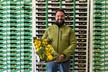
While the damage is largely cosmetic, it has commercial implications. Schmidt demonstrated bruising extending into the flesh of a grapefruit, noting that fruit with visible defects is less likely to be accepted by retail buyers. He estimated that between 15% and 20% of fruit is dropping to the ground, making it unmarketable, although total losses have not yet been quantified.
Ryan Jacobsen, CEO of the Fresno County Farm Bureau, said the persistent moisture may be affecting citrus and other crops by slowing drying conditions. He noted that some producers see different effects across commodities. Almond growers, for example, have viewed the fog as beneficial in moderating winter temperatures.
"If you don't have fog and you have clear skies, the reality is it probably would be fairly warm in the valley right now. And if it's too warm, you're going to start pushing those buds too early," Jacobsen said. He added that early bud development can increase the risk of freeze damage later in the season. "And so right now, from the protection, the insulation layer, the fog is actually a good thing," he said.
Schmidt also observed variation within orchard canopies. Fruit growing closer to the inside of trees appears less affected, while outer fruit shows more extensive surface damage, suggesting differing exposure to the prevailing fog conditions.
Source: Your Centralvalley