Fruit growers in Israel report growing pressure on export markets as orders from several European retailers decline, leaving parts of the mango and citrus crop unsold. According to reports from public broadcaster Kan 11, cited by Monodweiss, growers describe a "looming collapse" in parts of the sector linked to consumer-led boycotts and ethical concerns connected to the war in Gaza.
Producers indicate that shipments of mangoes and citrus to European destinations have slowed or stopped. Retailers in Belgium and Ireland are reported to have reduced or halted sourcing, while the UK's Co-op has ceased purchases of Israeli produce. Reports further indicate that some German retailers, including Aldi, have paused orders without formal announcements, citing consumer reactions to the situation in Gaza.
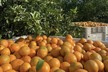
Mango growers are among those most affected. In September 2025, farmers in the Galilee reported leaving tons of fruit unharvested, as expected returns did not cover harvesting costs. Citrus exports face similar challenges. Demand for Jaffa oranges has weakened, and total citrus exports fell by about one-third between 2023 and 2024. Date exporters also report softer demand in Europe, leading to increased volumes remaining on the domestic market.
The loss of Gaza as a buyer has added to the pressure on the sector. Growers note that previous trade flows into Gaza absorbed part of the fruit supply, particularly lower-grade volumes. Without this outlet, more fruit is being directed toward export markets already facing reduced demand.
Logistics issues are also affecting exports. The ongoing Red Sea disruption linked to actions by Yemen's Houthis has forced vessels to reroute around Africa. Despite a May 2025 agreement involving the United States, shipping interruptions have continued. Growers report longer transit times, sometimes extending to around 100 days for Asian destinations, alongside higher freight costs and quality deterioration during transport.
Asian markets had previously absorbed a share of Israel's surplus fruit. With longer shipping times and reduced quality on arrival, exporters report that this channel has become less reliable.
Growers warn that without changes in market access or additional support, parts of the fruit export sector could remain under strain. The situation continues to affect mango, citrus, and date producers as the season progresses.
Source: Roya News