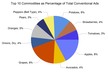
Germany remains one of the most demanding yet stable markets for the agri‑food exports of the Republic of Moldova. The agricultural sector generates approximately 40% of the country's goods exports, and Moldovan producers are steadily strengthening their presence in European supply chains. Between January and September 2025, the EU‑27 absorbed 68% of Moldova's total exports, according to data from the National Bureau of Statistics.
In this context, Germany clearly reinforces the maturity and competitiveness of Moldova's agri‑food offering, reaching a share of approximately 10% of Moldova's total agri‑food exports this year.
 © ASSOCIATES COMMUNICATION GROUP SRL
To provide a clearer link between these export trends and the institutional efforts that support them, it is important to highlight the role of national export‑promotion structures. As Moldovan producers expand their footprint in Germany, they increasingly rely on strategic guidance, targeted assistance, and market intelligence provided by state institutions dedicated to enhancing the country's export performance.
"Germany remains a strategic market for Moldova's agri‑food exporters, and current data confirms the sector's upward trajectory. Through targeted support instruments and export‑oriented initiatives, Invest Moldova Agency helps Moldovan producers strengthen their competitiveness and diversify their presence along the value chain. This progress is reflected in the expanding visibility of Moldovan products in Germany — one of Europe's most mature and high‑value markets," says Natalia Bejan, Director of Invest Moldova Agency.
Oilseeds – the engine of Moldovan export growth
Oilseeds and oleaginous fruits represent the fastest‑growing segment in Moldova's exports. With a share of 13.4% of total exports and a 1.6‑fold increase compared to the same period of the previous year, this sector occupies second place in the export structure, immediately after machinery and electrical equipment.
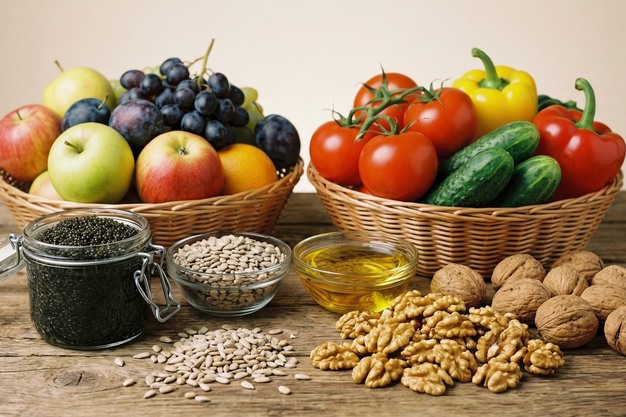
The German market remains one of the main destinations for Moldovan sunflower seeds, rapeseed, kernels, and walnuts. Germany's food and processing industries consistently use these products, and the high level of compliance with EU standards contributes to maintaining stable long‑term demand.
Fruits and vegetables: steady demand, moderate growth
Fruits and vegetables remain a relevant segment within Moldova's export structure. In the first nine months of 2024, these products accounted for 10% of exports to the German market, and in 2025 their share rose to 20%, reflecting a gradual repositioning of the sector on international markets and increased interest in Germany.
The quality of Moldovan fruit, traditional varieties, and investments in cold storage and the cold chain have supported this segment's competitiveness. Moldovan walnuts and walnut kernels are particularly appreciated in Germany due to careful processing and high nutritional value.
Diversifying European markets offers new perspectives
Romania remains Moldova's main trading partner, with 29.6% of total exports (USD 777 million). A 7.8% decrease was offset by strong developments in other EU markets. Italy (+33.2%), Czechia (+53.1%), and Turkey (+57.4%) recorded robust growth, while Bulgaria (+39.6%), Greece (+36.1%), and Serbia (up 1.7 times) complete the picture of geographic expansion.
Germany – a strategic partner for premium products
In the premium products category, the Moldovan company Aquatir exports around 5–6 tonnes of caviar annually to over 20 countries, including Germany, strengthening Moldova's image on the gourmet market.
Outlook: increasing the share of value‑added products
The performance of oilseed exports demonstrates Moldova's adaptability to international market dynamics. In the medium term, the main challenge for the agri‑food sector is increasing the share of processed, packaged, and value‑added products to compete more effectively in mature markets such as Germany.
Investments in modern technologies, processing, certification, and diversification will continue to strengthen Moldova's competitiveness and open new opportunities in European markets.
 © ASSOCIATES COMMUNICATION GROUP SRLFor more information:
Invest Moldova
Tel: +373 22 27 36 54
[email protected]
www.invest.gov.md