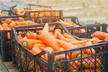
Cambodia's Ministry of Agriculture, Forestry, and Fisheries is assessing new policies intended to increase domestic vegetable production and reduce the country's reliance on imports. The plans were discussed at a meeting chaired by Secretary of State Hean Vanhorn, where officials reviewed national demand, crop types and volumes, and the potential to replace a larger share of imported supply with local output.
The meeting, held at the Directorate of Agriculture in Phnom Penh, gathered senior MAFF officials from multiple crop sectors. Discussions centred on developing a structured management plan to support year-round vegetable cultivation while maintaining quality and safety standards. Officials said the long-term aim is to strengthen domestic agricultural capacity and lower dependence on neighbouring countries for produce that could be grown locally.
Vanhorn outlined several measures under consideration. These include rehabilitating and upgrading vegetable seed research stations, improving irrigation systems, and providing technical training to growers. He also noted the need to encourage the formation of modern agricultural communities and promote co-investment opportunities.
MAFF also intends to identify vegetable-growing zones that meet environmental standards, reinforce safety-aligned production practices, establish contract-based supply arrangements, and expand access to market information. The ministry plans to increase the capacity of municipal agriculture officers, particularly in cultivation techniques, so that they can support growers directly as production expands.
Cambodia currently imports an estimated 30 to 40 per cent of the vegetables consumed in the country, though earlier estimates suggested import dependence may have reached 70 per cent when commercial farming activity was less developed. In 2020, domestic output supplied about 68 per cent of national vegetable demand.
Constraints remain across the sector. Climate-related risks such as drought, floods, and pest pressure continue to affect stability. Additional barriers include insufficient irrigation, limited access to capital and modern equipment, and knowledge gaps in sustainable production. Challenges related to soil degradation, post-harvest losses, and financial constraints also influence growers' ability to scale production.
Officials stated that the ongoing policy discussions aim to provide a clearer framework for increasing local vegetable output and improving the reliability of supply in domestic markets.
Source: Khmer Times