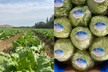
Fruit and vegetable growers in Manitoba faced an early test this September as overnight frosts swept through large parts of the province, forcing some into emergency harvests. The event adds further strain to farms already challenged by drought conditions and delayed crop development earlier in the season.
According to a report from Manitoba Agriculture, temperatures dropped below freezing across several regions during the nights of September 6–7. Cartwright, in central Manitoba, recorded -1.4°C with frost lasting five hours. In the southwest, locations such as Brandon, Erikson, Wawanesa, Reston, and Lake Audy in Riding Mountain National Park all reached -1°C or lower, with frost persisting up to six hours.
In the northwest, frost conditions were even harsher. Ruthenia reported -1.3°C with seven hours of frost, while Alonsa, Pipe Lake (-1.6°C), Ste. Rose du Lac (-1°C), Laurier (-1.9°C), and Grandview (-1.1°C) also experienced prolonged sub-zero temperatures.
The timing of these frosts is particularly concerning for producers of frost-sensitive crops, including potatoes, beans, peppers, and late-season fruit. Many growers had to accelerate harvest schedules to salvage product before damage occurred, while others anticipate losses in both yield and quality.
The early frost compounds what has already been a difficult growing season. Drought stress across Manitoba reduced moisture levels in soils, delaying development for many fruit and vegetable crops. With shorter growing windows and fewer frost-free days, producers face increased uncertainty about final volumes.
Market analysts suggest that tighter supplies could emerge for certain fresh vegetables in the coming weeks, potentially leading to higher retail prices. While storage crops such as carrots and onions are generally more resilient, fresh-market vegetables and fruit are expected to be the most impacted.
Growers and industry representatives emphasize that seasonal weather volatility is becoming a defining factor in prairie production cycles, placing added importance on risk management and adaptive harvest strategies.
Source: www.moosejawtoday.com