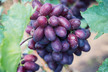
The Japanese pear, known as Nijisseiki, is gaining traction in Haryana's Ladwa region, with support from the Indo-Israel Sub-Tropical Fruit Centre. This variety is reportedly beneficial for health and offers economic advantages for growers. Its cultivation began locally after being introduced from Ludhiana for trial planting around 2014, according to Dharampal from the centre.
Trees now begin to yield harvests after approximately 10 years. Dharampal stated, "Once we saw the potential, we started preparing and distributing saplings to farmers who visited the centre requesting the Japanese pear Nijisseiki variety. Demand for saplings is high, but we are unable to meet it fully."
The Nijisseiki pear is characterised by a crisp texture and mild sweetness, making it suitable for diabetics. It is also believed to boost immunity and aid during fevers. Dharampal noted, "Farmers are eager to plant the Nijisseiki pear because it offers strong profit potential."
Prices range from ₹250 to ₹500 per kilogram ($3.00 to $6.00). The high demand has attracted well-known companies to sign contracts with farmers for both domestic sales and export opportunities. According to Dharampal, a single tree has a lifespan of up to 55 years and offers substantial yield potential. "Farmers incur costs only during planting. Once the trees begin bearing fruit, I can confidently say that at least two generations can sustain themselves from the income if they cultivate the trees over a few hectares."
Source: ETV Bharat