The global avocado and blueberry market is experiencing a sustained boom driven by demand for healthy foods. Despite speculation about large volumes, the reality points to moderate growth, with better prices in the United States and stability in Europe.
 © Viru Group
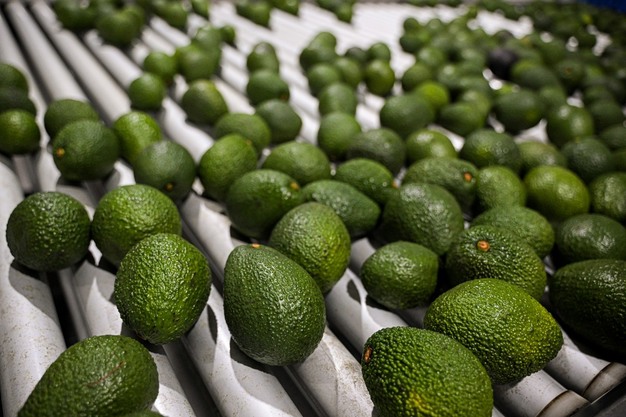
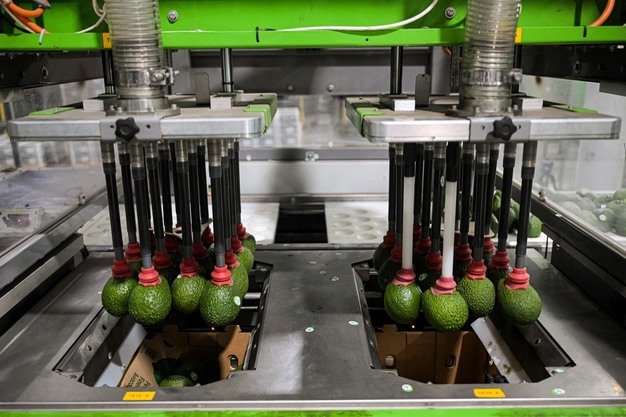
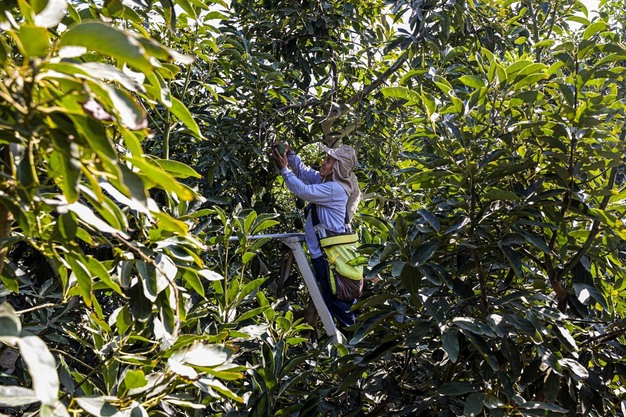
In the peak of the Peruvian avocado season, Viru Group, a Peruvian agro-exporter, is facing the market with caution and confidence. "This year we should have a turnover of more than 600 million dollars," says Yoselyn Malamud, underlining the strength of the group, which has three lines of business: Fresh, frozen, and canned. Avocados, the company's flagship product in its fresh range, is grown on 2,500 hectares owned by the firm in Trujillo and Paramonga, and is mainly exported to the United States and Europe. However, the global avocado market is swinging between speculation and reality. "There have been rumors about a 37% increase in terms of volume in Peru, but this is not going to happen. We are estimating a growth of no more than 10% compared to last year, which was quite an unremarkable year. Moreover, this growth has been recorded thanks to the production of avocados in mountainous areas at other times of the year. Historically, Peru's projections are significantly greater than the reality," said Malamud.
 © Viru Group
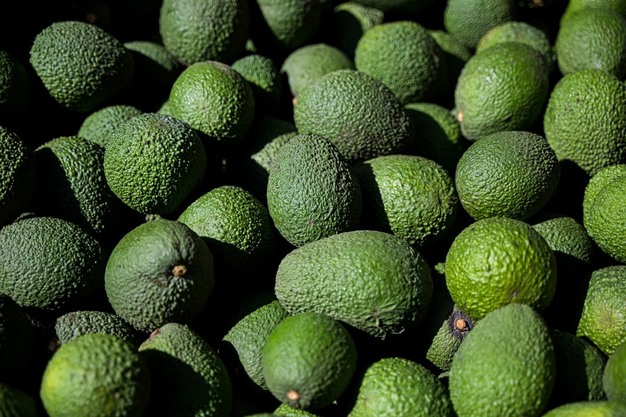
The United States is emerging as an important destination for Peruvian avocados. "California's season kicked off earlier, and Mexico has less fruit, so there's a gap in the market. At this time, the price in the United States ranges between 38 and 43 dollars per 11.4 kg box, which is a lot more than last year," he says. This is helping divert pressure away from the European market, where prices stand between 10 and 11 euros per box. "These prices should remain stable or even rise, unlike what some feared, because Europe will receive the same amount of fruit as last year, especially from June to September," says the executive.
 © Viru Group
Market diversification and the opening of offices in Europe and the United States are helping reduce climatic, logistical, and currency risks. "We have productions and direct distribution in Europe, and we bought Superior Foods in the United States two years ago. This gave us access to customers and suppliers in multiple origins," says Malamud. This international presence is also allowing us to deal more resiliently with current logistical challenges. "Freight rates are still expensive, between 6,300 and 6,800 dollars, compared to the 4,500 or 5,000 dollars we paid last year. There is no shortage of containers, but prices are still high," he says.
 © Viru Group
Viru Group is also strong in the frozen business and is a leading exporter of products such as mango, strawberry, avocado, and blueberries. "Frozen products are the largest in terms of turnover and, together with fresh produce, are the fastest growing," he says. The company is also committed to varietal innovation to be sure of delivering quality, tasty products. "Avocado and blueberry consumption continues to increase year after year. This is why we are adopting varieties that will guarantee the right flavor, texture, and profitability at the source," says Malamud.
Beyond the figures and logistical issues, the executive underlines the importance of keeping long-term relationships with clients. "We've had relationships with many supermarkets for 20 to 25 years. Now, with the 10% tariff in the United States, we are sharing the impact with customers and are always looking for joint solutions."
 For more information:
Yoselyn Malamud (CEO)
Viru Group
[email protected]
www.virugroup.com